Skip to content
InChina 已经上架 App Store去下载 →
Suzhou Museum
Suzhou · Jiangsu · Place

Suzhou Museum

I.M. Pei garden-style masterpiece: white walls, slate roof, sliced-stone rockery, Song pearl stupa, free entry.

Alex Chu亲手写并签名 Alex Chu
4.7/5评分Free; reservation required up to 7 days ahead with valid ID门票Tue-Sun 09:00-17:00 (last entry 16:00); closed Monday开放时间

这里到底是什么

Opened in 2006, Suzhou Museum was designed by the late I.M. Pei (Bei Yuming, the Chinese-American architect of the Louvre Pyramid) as a meditation on Jiangnan (region south of the Yangtze (China's longest river), famed for water-town gardens) architecture: whitewashed walls, slate-grey tile roofs, and a central courtyard built around a century-old rockery of sliced Taihu stone.

编辑点评

Alex Chu
Alex Chu亲手写并签名
综评

Worth it for any visitor to the Yangtze Delta, and a near-mandatory stop for architecture and design fans. Best as a half-day pairing with the Humble Administrator's Garden next door. Skip if you only have one day in Suzhou and dislike crowds, or if you cannot secure a reservation in advance; do not try to wing it on a Monday.

亮点
Architecture: I.M. Pei's fusion of Jiangnan garden and modernist geometry is genuinely singular; the sliced-stone rockery is unforgettable.
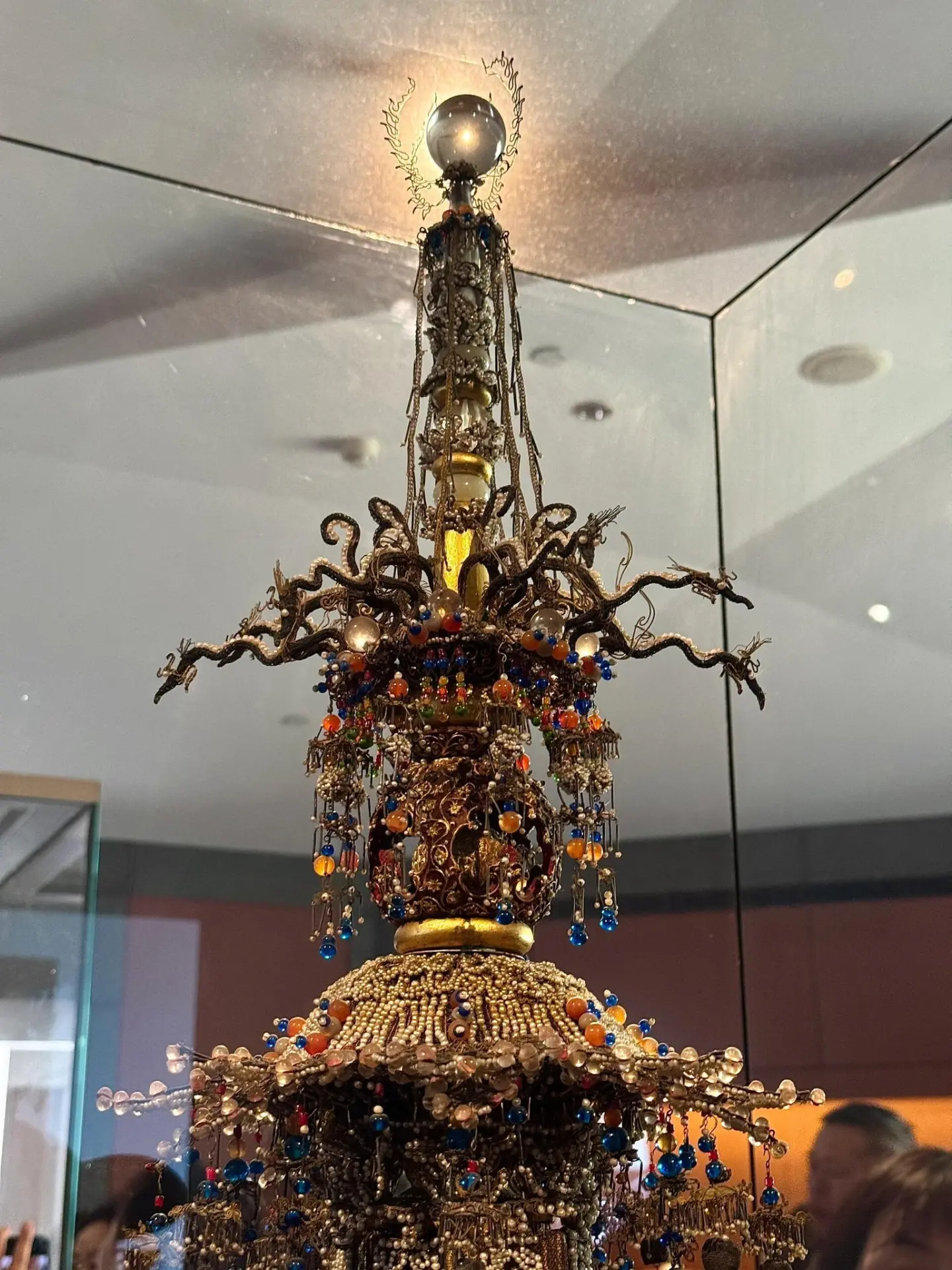
Treasure hall: the Song-dynasty Pearl Reliquary Stupa and the Five Dynasties (907-960 AD) lotus bowl are both world-class artifacts in their own right.
Walk-through layout: the central axis from west corridor to main courtyard to east corridor takes under three hours at a relaxed pace.
Free admission with reservation makes it one of the best-value stops in the Yangtze Delta.
要注意
Reservation system is strict; same-day tickets are almost impossible, especially in spring.
Glass-walled galleries produce heavy reflections during the day, so photography of the inner treasures is poor; evening visits are limited and rarely publicized.
Heavy crowds between 10 AM and 2 PM on weekends; the central courtyard becomes a selfie bottleneck.
Closed Mondays without exception, so plan a Tuesday-Friday weekday if your schedule allows.
提炼自 2351+ 条旅行者点评。 由我们的编辑从小红书和抖音的旅行者点评里提炼。

实用信息

开放时间Tue-Sun 09:00-17:00 (last entry 16:00); closed Monday
门票Free; reservation required up to 7 days ahead with valid ID
联系0512-67777266;15151523017
评分4.7/5

须知

ID required for entryBring the same ID used for the online reservation; foreign passports are accepted at the visitor desk.
No drones on groundsDrones, tripods, and selfie sticks over 1m are not permitted inside the courtyards.
Photography restrictions applyPhotography is banned inside the Wu Pagoda Treasures hall; tripods and selfie sticks over 1m are also prohibited across the courtyards
Bring a light layer: glass-walled halls run cool in winter.
Reserve online up to 7 days ahead; walk-ins are usually denied.
Skip the museum café; walk 5 minutes to Pingjiang Road's snack stalls for Suzhou-style noodles and
Wear slip-on shoes: you'll stash them in lockers before entering carpeted gallery areas
Do not plan a Monday visit: the museum is closed every Monday without exception, and nearby gardens
Skip the café; walk 5 minutes to Pingjiang Road's stalls for Suzhou noodles and snacks.
Closed every Monday; pair your visit with nearby gardens on any other day.
Wear slip-on shoes; you may be asked to store them before entering carpeted galleries.

正在流行

Pei's rockery of sliced stone

The central courtyard's eight-meter rockery of sliced Taihu (Lake Tai, Jiangsu's largest freshwater lake) stone is Pei's signature riff on classical Chinese garden mountains, painted whitewash walls for paper and shadow for ink. Photograph through the central hall's glass curtain wall for the museum's defining composition.

Northern Song pearl reliquary stupa

Discovered in 1978 by schoolboys climbing the Ruiguang Pagoda (a Song-dynasty brick pagoda a short walk away), the Pearl Reliquary Stupa is a Northern Song (960-1127 AD) masterpiece inlaid with nearly 40,000 pearls and crowned with a silver-filigree celestial scene.

Five Dynasties (907-960 AD) lotus bowl

A small celadon bowl from the Five Dynasties (907-960 AD) period, considered the finest surviving example of Yue kiln 'secret-color' ware, the lost jade-like glaze reserved for Tang-dynasty imperial tribute.

怎么到达

metroLine 4 to Beisita Station, Exit 4, then an 800m walk south along Dongbei Street.
busRoutes 1, 5, 38, 101 stop at the Dongbei Street gate, a 2-minute walk.
metroLine 4 to Beisita Station (北寺塔站), Exit 4; walk south along Dongbei Street for 800m to the museum gate
busBus routes 1, 5, 38, and 101 stop at Dongbei Street gate (东北街站), a 2-minute walk
metroLine 4 to Beisita Station, Exit 4, then an 800m walk south along Dongbei Street.
在 App 里生成 →

Plan around this guide