
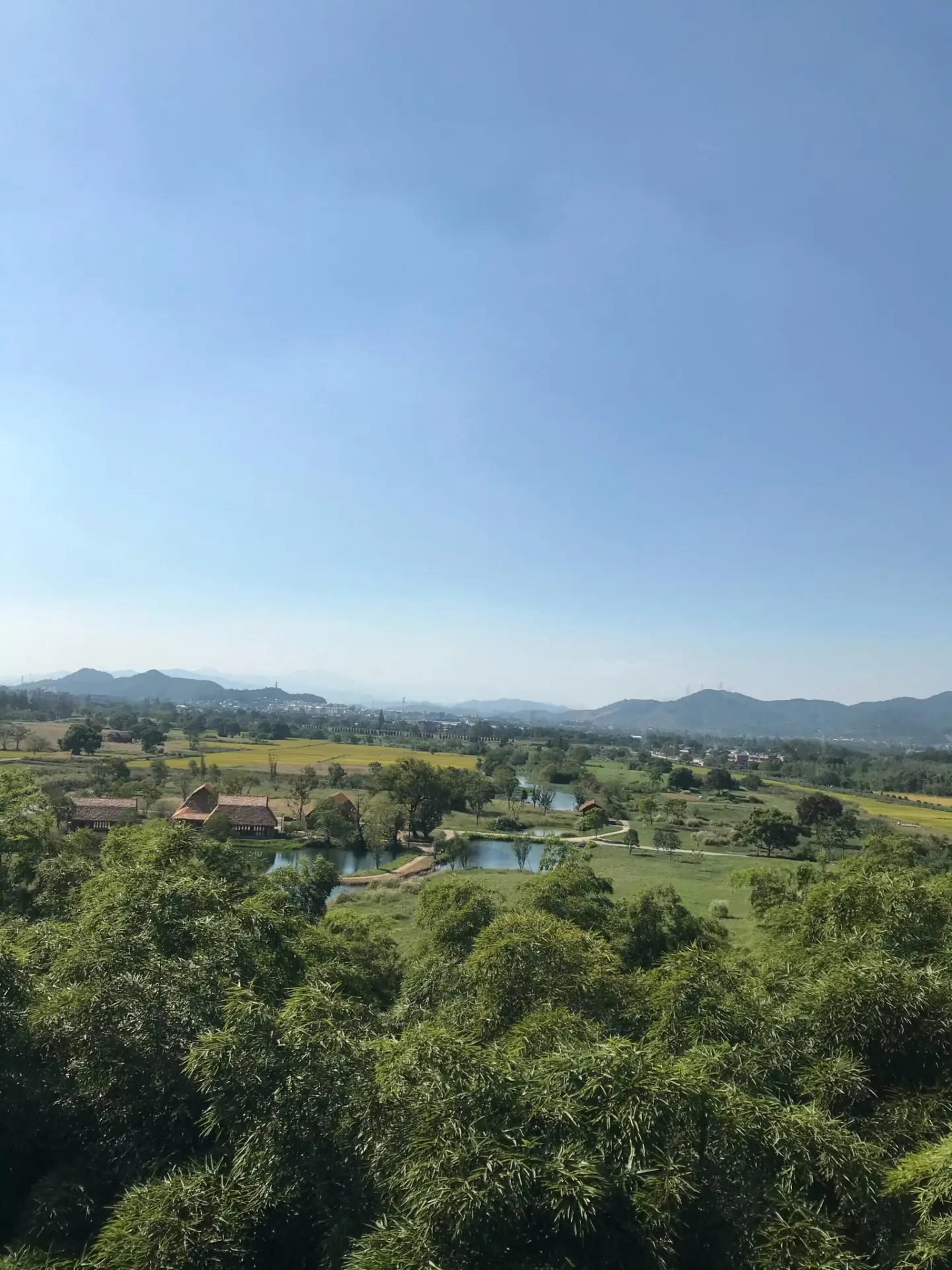
Archaeological Ruins of Liangzhu City
5,000-year-old UNESCO Neolithic city near Hangzhou with open earthen ruins, jade culture, and the world's earliest large dam system.
 亲手写并签名 Ivy Chen
这里到底是什么
A UNESCO World Heritage site 40 km west of Hangzhou, where 5,000-year-old walled city walls, palace platforms, jade burial tombs, and the world's earliest large dam system survive as open earthen ruins among rice paddies.
编辑点评
Worth the half-day detour from Hangzhou for anyone curious about prehistoric China or UNESCO sites beyond the Great Wall. Best for cultural travelers and photographers; skip if you dislike walking on unpaved paths or need intense museum-style displays.
实用信息
须知
正在流行
Mojiaoshan Palace Platform
The 300,000-square-meter Mojiaoshan (Mojiao Mountain) earthen platform once supported wooden palaces at the political heart of Liangzhu (5300-4300 BCE). It still rises above the surrounding rice paddies today, with moats marking where elite residences stood.
Earliest Large-Scale Dam System
Eleven earthen dams north and west of the inner city formed the world's earliest known large hydraulic engineering, built 4,700-5,100 years ago. They held back seasonal floods and protected rice fields, predating Egypt's earliest dams by roughly a millennium.
UNESCO World Heritage Since 2019
On July 6, 2019, the Archaeological Ruins of Liangzhu City were inscribed on the UNESCO World Heritage List (site 1592). It is the only Neolithic site in the lower Yangtze (Yangtze is China's longest river at roughly 6,300 km) basin on the list, marking China's recognized 5,000-year civilization origin.
UNESCO World Heritage Since 2019
On July 6, 2019, the Archaeological Ruins of Liangzhu City were inscribed on the UNESCO World Heritage List (site 1592). It is the only Neolithic site in the lower Yangtze basin on the list, marking China's recognized 5,000-year civilization origin.