
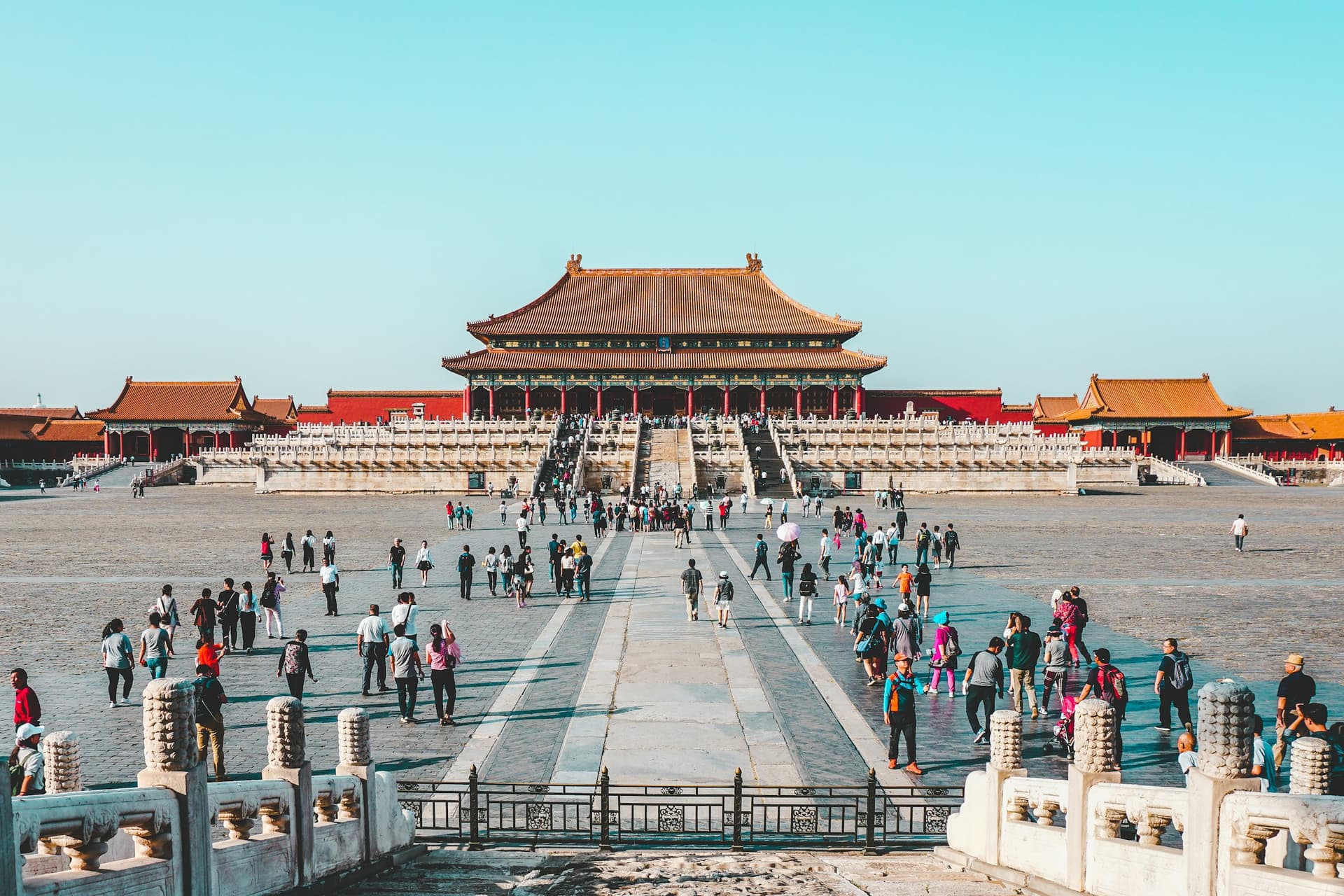
The Imperial Palace (Forbidden City)
The Forbidden City is the heart of imperial China — a vast palace where 24 emperors lived for 600 years.
 Written and signed by Xiangqun Li
What it actually is
The Imperial Palace (Forbidden City) in Beijing is the supreme example of traditional Chinese palatial architecture. It served as the home of emperors and the ceremonial center of government for nearly 600 years, from the Ming Dynasty (1368-1644) to the end of the Qing Dynasty (1644-1912). Today it houses the Palace Museum with over 1.8 million cultural artifacts.
Editor's take
Worth half a day on a first trip to Beijing if you book official tickets ahead and get there at opening; but if you've only an hour or can't manage long walks in the open, spend your time somewhere smaller.
Essentials
Good to know
Trending now
Hall of Supreme Harmony (Taihe Dian)
The largest and most important building in the Forbidden City. This is where emperors were crowned and major state ceremonies were held. Its massive wooden framework — constructed without a single nail — has withstood earthquakes for over 600 years.
Imperial Garden
Located in the northern rear of the palace, this classical Chinese garden features ornate pavilions, ancient cypress trees, and intricate caisson ceilings in the Wanchun and Qianqiu pavilions that represent the pinnacle of Ming-era craftsmanship.
Palace Museum Collection
The Palace Museum houses over 1.86 million cultural artifacts including imperial jade, gold artifacts, calligraphy, paintings, and ceremonial objects. The Treasury and Clock Gallery exhibitions showcase the most exquisite pieces from the imperial collection.