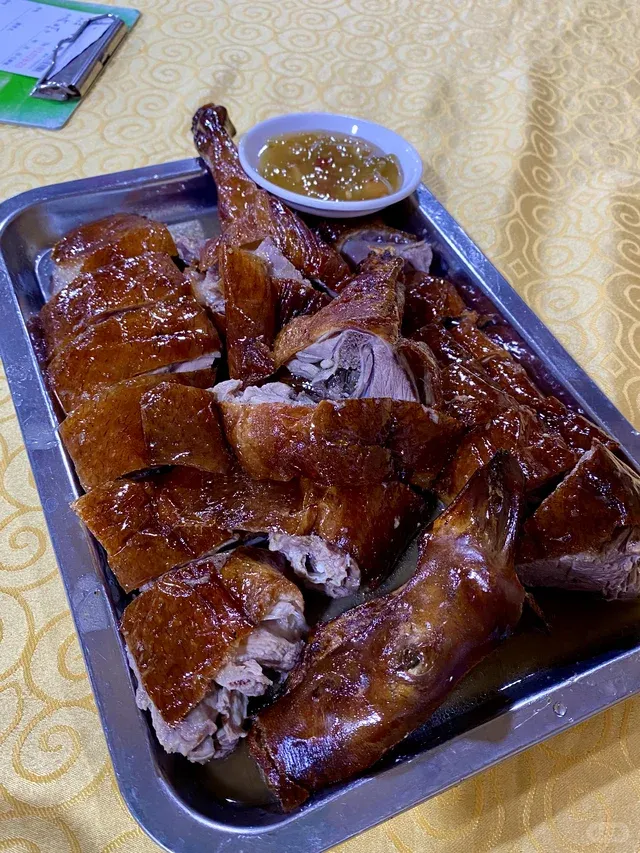
Glass-skin roast goose close-up
A local-recommended roast-goose shop where the bo lei (glass-skin) goose is so thin it is almost see-through; shoot the lacquered skin under the warm shop lights as the cleaver cuts through for the crackle shot.

Eat your way through old Guangzhou from dawn dim sum to late-night claypot.
Guangzhou is China's Cantonese food capital, where eating starts at dawn with yum cha tea and dim sum and runs past midnight at claypot and seafood spots. This route walks the old Xiguan (the historic west-side district of Liwan) and Yuexiu lanes, linking century-old teahouses, hidden snack stalls and roast-goose shops the way locals actually graze through a day.
Worth it if you're a food-first traveler who'll happily walk West Guan's back streets grazing on ho fun, wonton noodles and cheung fun — go mid-morning, pin your stops ahead, and keep backups because things close or sell out. I'd skip it if you want sights over snacks, are bringing older relatives or a stroller, or come in peak summer heat — Yongqingfang is the easier call for that crowd.
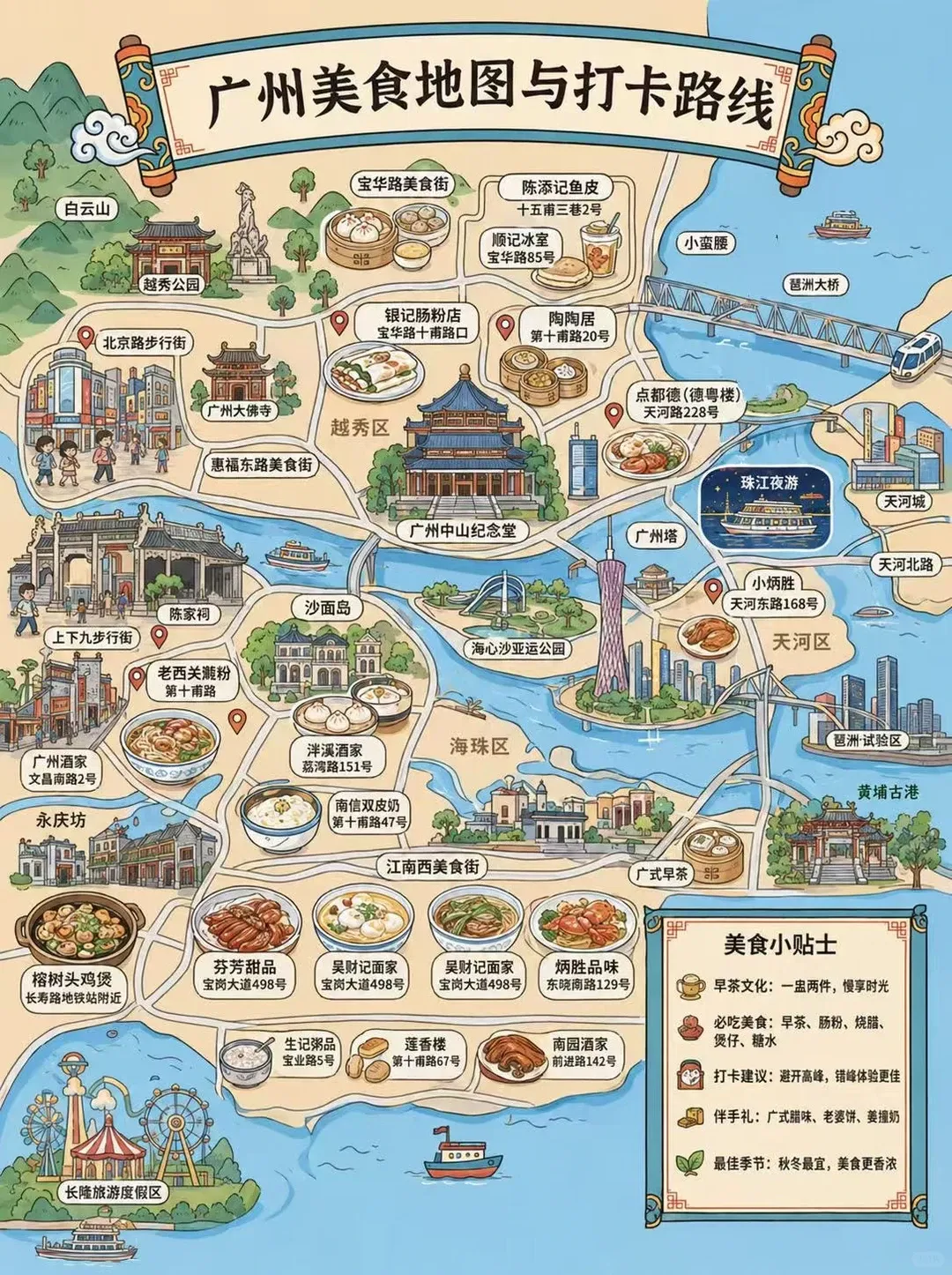
A one-day eating loop through old Xiguan and Yuexiu: morning yum cha and dim sum, then back-lane chang fen rice rolls and fish-skin salad, a lacquered roast goose for lunch, silky double-skin milk in the afternoon, and sizzling claypot or live seafood at night. Recommended start: 08:00
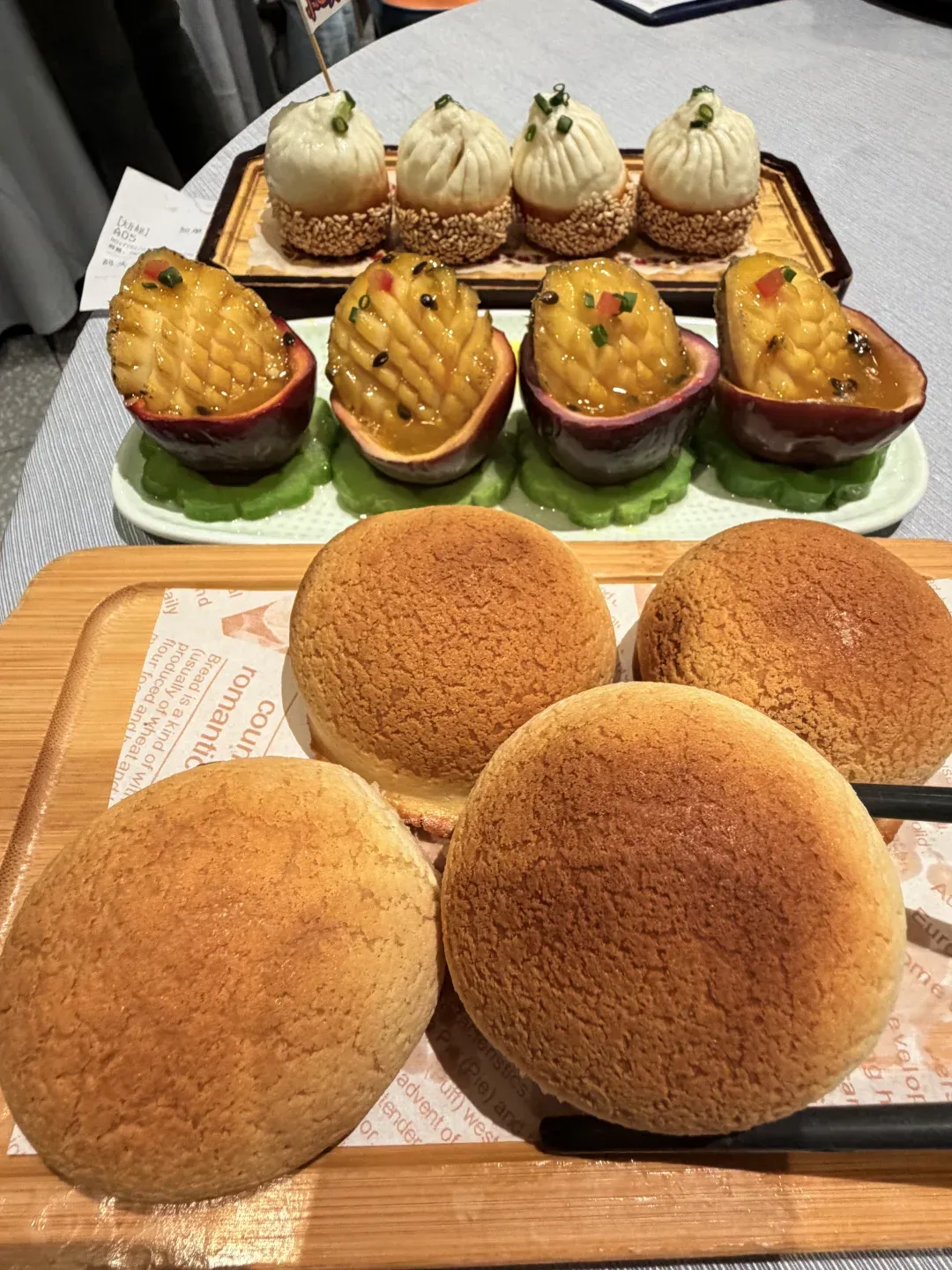
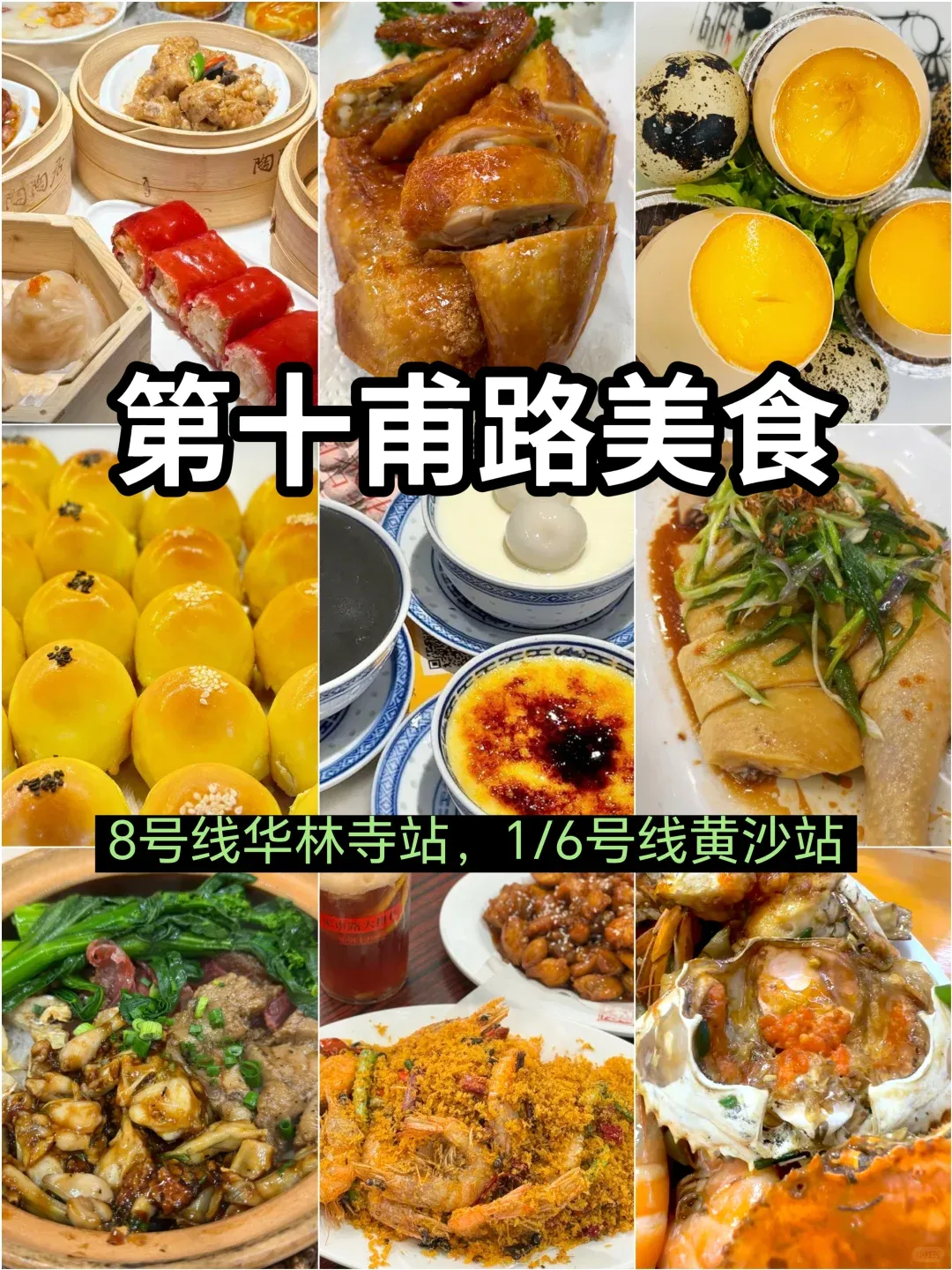
Start at dawn with yum cha (the Cantonese tea-and-dim-sum tradition) on Dishifu Road near Shangxiajiu, the old commercial street of Xiguan. Order har gow (steamed shrimp dumplings), char siu bao (barbecue-pork buns) and hung mai cheung (red-rice rice rolls). Century-old teahouses here are most local before the tourist rush.
Walk through Xiguan back lanes to the snack street, about 8 min.
Dive into the Xiguan lanes off Wenchang Road for the city's 'carb heaven': chang fen (silky steamed rice rolls), ngau zaap (slow-braised beef offal) and bin yuk juk congee. Hidden shops like the old fish-skin stall serve nglive yu pei (chilled crisp fish-skin salad) in a secret soy dressing — a true old-Xiguan memory.
Short walk to the roast-goose shop, about 5 min.
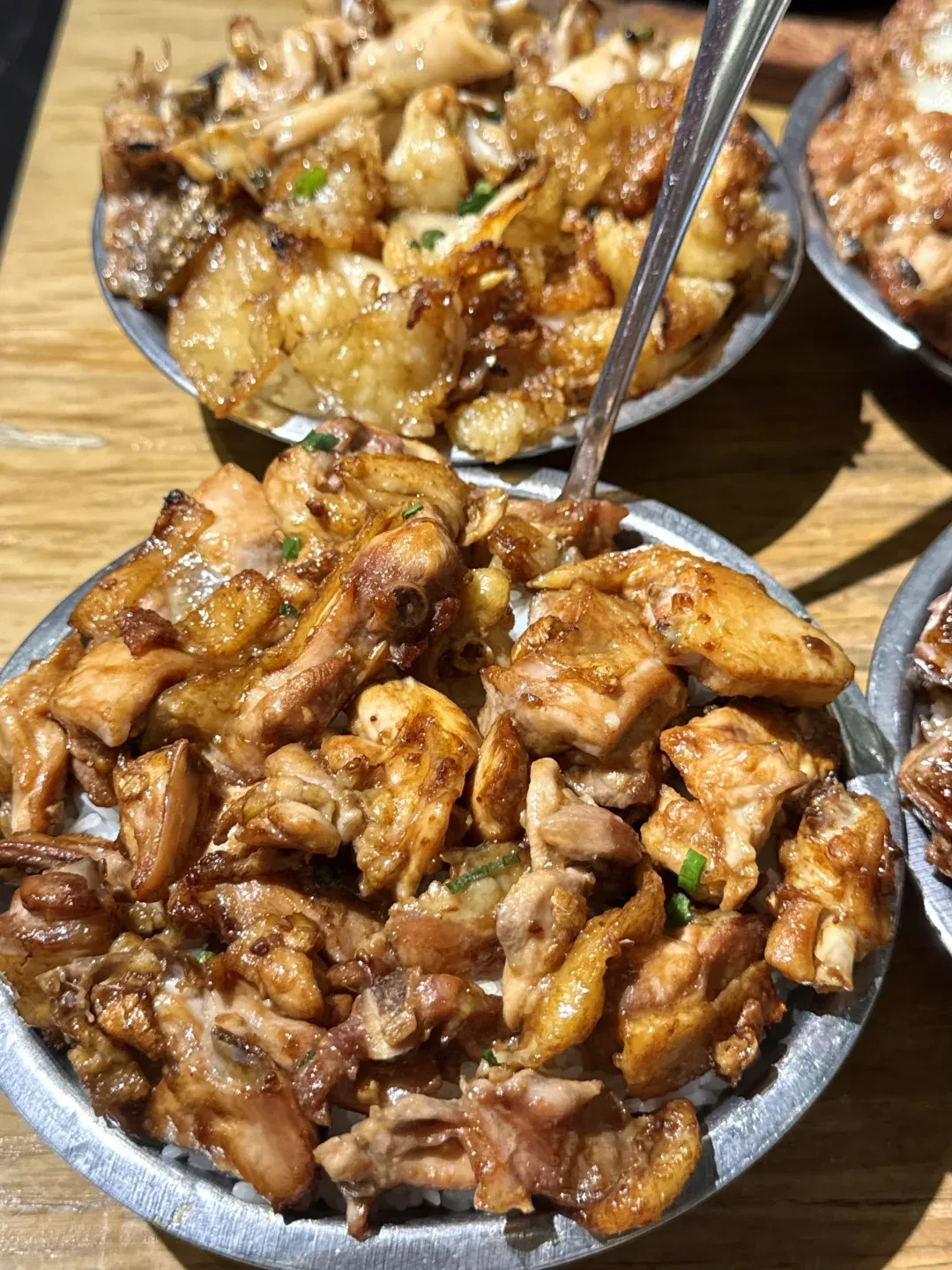
For lunch find a local siu ngo (Cantonese roast goose) shop away from the famous chains. The bo lei (glass-skin) goose has skin thin enough to see through, dipped in house-made syun mui jeung (sour plum sauce); locals say you only find these shops by knowing where to look.
Walk back toward Dishifu Road for dessert, about 10 min.
Cool down with tong sui (Cantonese sweet soups) and shuang pi nai (double-skin milk, a silky steamed-milk custard) at an old dessert house on Dishifu Road. The fung wong dan naai woo (phoenix egg-milk pudding) is rich without being heavy — the classic Guangzhou sweet break.
Take Metro Line 1 east toward Tianhe for the evening stop.
End after dark with ze ze bou (sizzling claypot dishes that arrive hissing in clay pots) or a live-seafood dinner. Bloggers love charcoal ma tou shao (pier-grilled) river prawns and steamed oysters at wharf-style seafood spots — order, watch it cook, and eat it straight off the fire while it is lively after dark.
Walk to the metro or hail a DiDi back to your hotel.
The Guangzhou day begins with yum cha (drinking tea with small dishes), a Cantonese ritual older than the city's skyline. Century-old teahouses around Shangxiajiu serve har gow (steamed shrimp dumplings) and char siu bao (barbecue-pork buns) from early morning, when the rooms fill with regulars and trolleys.
Xiguan, the historic west-side district of Liwan, is the city's street-snack core. Lanes near Xihua Road pack in chang fen (silky steamed rice rolls), ngau zaap (braised beef offal) and laai fan (rice noodles) — bloggers warn that queues are the norm because locals trust these stalls.
Siu ngo (Cantonese roast goose) is a Guangzhou signature, and locals chase the bo lei (glass-skin) version whose skin is thin enough to see light through. One blogger ate dozens of shops before finding a half-goose for about 70 yuan, served with house-made syun mui jeung (sour plum sauce).
Cantonese dessert centres on tong sui (sweet soups) and shuang pi nai (double-skin milk), a steamed milk custard with a delicate skin formed twice. The old dessert houses on Dishifu Road are the classic place to taste it, alongside ginger-milk pudding and egg-milk custard.
Evening brings ze ze bou (sizzling claypot dishes), where meat or oysters cook over high heat in a clay pot and arrive hissing at the table. The lid lifts to a burst of aroma — a noisy, communal way old Guangzhou likes to end the day.
Guangzhou's love of fresh seafood shows at wharf-style restaurants with their own live tanks. One 19-year-old spot grills ma tou shao (pier-grilled) giant river prawns over charcoal and steams whole oysters to order, with prices marked openly so there are no surprises.
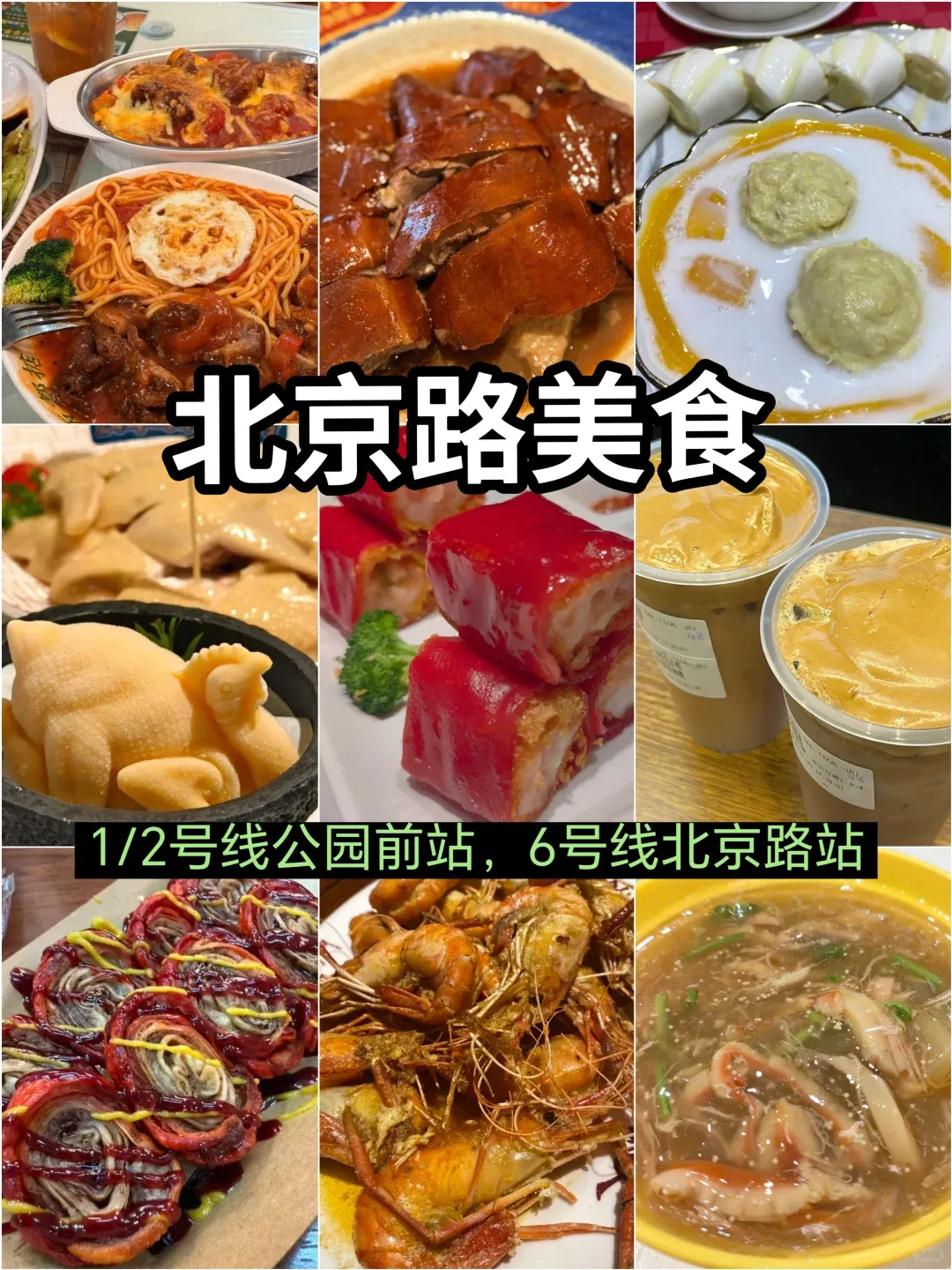
A popular note maps twelve classic eating streets, from Huifu East Road by Beijing Road to Longjin Road and Xihua Road near the Chen Clan Ancestral Hall. They run under qi lou (Lingnan arcade houses), mixing cheap Cantonese diners, claypot-rice shops and traditional teahouses.
Across these notes the same advice repeats: skip the internet-famous shops and eat where Guangzhou residents queue. Pick aged neighbourhood teahouses and hidden back-lane stalls in Xiguan, share small plates, and spread the day over five or six stops rather than one big meal.

A local-recommended roast-goose shop where the bo lei (glass-skin) goose is so thin it is almost see-through; shoot the lacquered skin under the warm shop lights as the cleaver cuts through for the crackle shot.

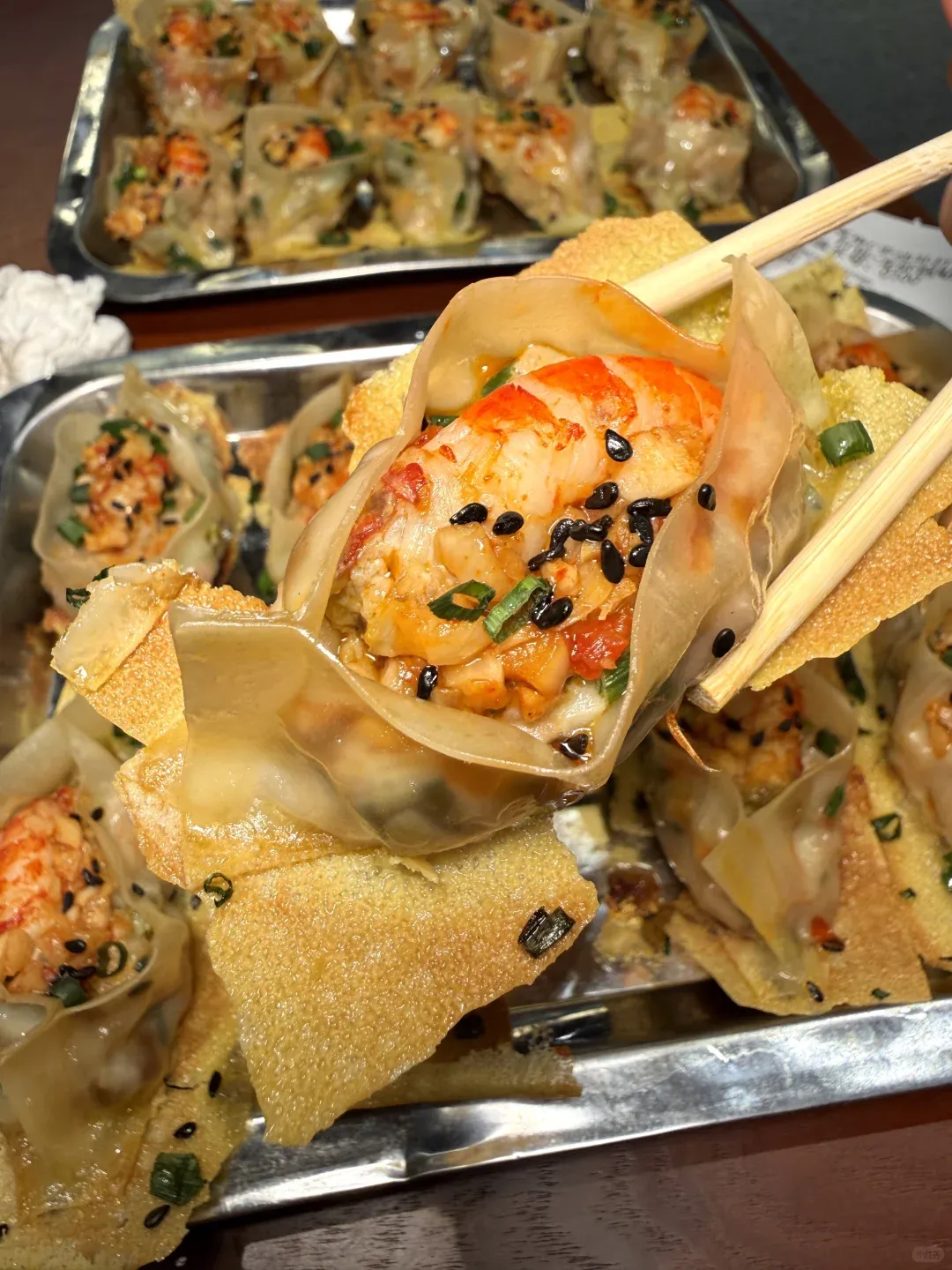
An old-style local restaurant where aunties hand-fold xiao long xia guo tie (crayfish pot-stickers) to order; photograph the crisp, golden, just-fried pan from above before the juice spurts out.

A 19-year-old seafood restaurant with its own live-seafood wharf; the ma tou shao (pier-grilled) giant river prawns charred over charcoal make the most photogenic plate, roe spilling out of each one.

A Tianhe local diner famous for gon zing (Cantonese-style steamed plates); lay out the steamed-dish spread on the worn tabletop for a true dai pai dong (open-air food-stall) feel.

The note maps twelve classic Guangzhou eating streets, including Huifu East Road (Beijing Road), Longjin Road and Xihua Road by Chen Clan Ancestral Hall; shoot the qi lou (Lingnan arcade-house) shopfronts lined with stalls.

Local bloggers stress eating where Guangzhou residents queue, not at internet-famous shops; pick aged neighbourhood teahouses and back-lane stalls in Xiguan for the most reliable food.

The three-day-guide note frames the day as yum cha at dawn, then snack streets, then a Pearl River evening; share small plates across five to six stops instead of one big meal.

A dessert-shop favourite: shuang pi nai (double-skin milk, a silky steamed milk custard) and the fung wong egg-milk pudding are the classic Cantonese sweet finish to a Guangzhou eating day.