Skip to content
Planning a China trip? Ask real travelers on our DiscordJoin →
Mohe, China's Northernmost City
HEILONGJIANG · MOHE · PLACE

Mohe, China's Northernmost City

China's northernmost city at fifty-three north latitude, famed for midnight sun in summer and aurora chances in winter.

Xiangqun LiWritten and signed by Xiangqun Li

What it actually is

China's northernmost city at 53 degrees north latitude, famed for midnight sun in summer, aurora chances in winter, and the Arctic Village marker at the geographic north tip of mainland China.

Editor's take

Xiangqun Li
Xiangqun LiWritten and signed by
The verdict

Worth it if you treat the journey as part of the trip and pick your season on purpose — winter for the aurora gamble, summer for cool air and the near-endless daylight; I'd skip it if you can't stomach the long travel, want a guaranteed light show, or expect a polished, easy-going resort town.

What's great
Two totally different trips depending on season: come at the winter solstice window and you're chasing the aurora at China's northern tip; come in summer and it's an escape from the heat with near-midnight daylight — around 3am the sky is already bright and dark barely lasts.
This is the actual northernmost point you can stand in mainland China, and the Arctic Village marker area is free to walk into, so the headline photo op doesn't cost you anything.
The wider area rewards you beyond the marker — the birch forests near Beihong Village and the drive itself are worth building time for, not just a quick tick-the-box stop.
Summers are genuinely cool and comfortable when the rest of the country is baking, which is a real reason to go and not just marketing.
Worth knowing
Getting here is a slog. You're flying into Harbin first, then a long onward haul (some do 40-hour train hard-seats), and once you're up there roads like the Jiagedaqi–Mohe and Heihe stretches are frequently under construction — check current road conditions before you self-drive.
Aurora is a gamble, not a guarantee. Even in the right winter months you can go and see nothing, and winter means -30C cold that Southern Chinese visitors in particular should not underestimate — pack for genuinely brutal temperatures.
Peak tickets for the Arctic Village site sell out fast the moment they release, so if you're locked to specific dates, book the instant they drop or you may not get in.
It's a rough-edged local tourist economy — expect pricing to be murky, some pushy operators, and paid photo gimmicks (like the fox-photo setups) where you can get snapped at if you hover without paying. Ask the price first and don't assume anything is free.
Grounded in 75+ real traveller reviews. Distilled by our editors from real traveller reviews on Xiaohongshu and Douyin.

Essentials

Opening hours24 hours; Arctic Village site 8:00-17:30 (May-Sep)
TicketFree (Arctic Village marker area)
Contact+86 13845741729
Rating4.6/5

Good to know

Pack -30C rated down jacket and snow boots
Visit Jun for midnight sun, Sep-Mar for aurora

Trending now

China's True Northern Tip

Stand at the Wusuli Shoal, a riverside sandbar inside Arctic Village at 53 degrees 33 minutes north latitude. It marks the geographic northernmost point of mainland China, with a popular 'I found the North' stone marker. A short walk leads to a wooden boardwalk along the Heilong River (Amur River) with views of Russian forest on the opposite bank.

Aurora Borealis in Mainland China

Mohe is the only place in mainland China where the aurora borealis can be regularly seen, with the strongest activity from September through March during strong geomagnetic storms. Local guides run night drives to dark-sky spots along the river; bring a tripod and a camera rated for cold. A Kp index of 6 or higher and clear skies are the two prerequisites.

Midnight Sun at the Solstice

Around the summer solstice (June 21), the sun sets close to midnight and night lasts only two hours and forty-five minutes, the shortest in China. The sky holds a permanent blue dusk through the small hours, ideal for star-trail photography and 'midnight twilight' portraits. The golden larch in autumn and the rime ice on the river in winter are equally distinctive.

Photo spots
Wusuli Shoal 'I Found the North' Stone
Xiaohongshu
1549 likes

Wusuli Shoal 'I Found the North' Stone

The granite 'I found the north' marker at China's northernmost mainland point. Best photo: full-body shot with the marker, 4 to 6 PM golden hour with low-angle side light. From xhs author @Kaileyjun.

Heilong River Sunrise at Arctic Village
Xiaohongshu
710 likes

Heilong River Sunrise at Arctic Village

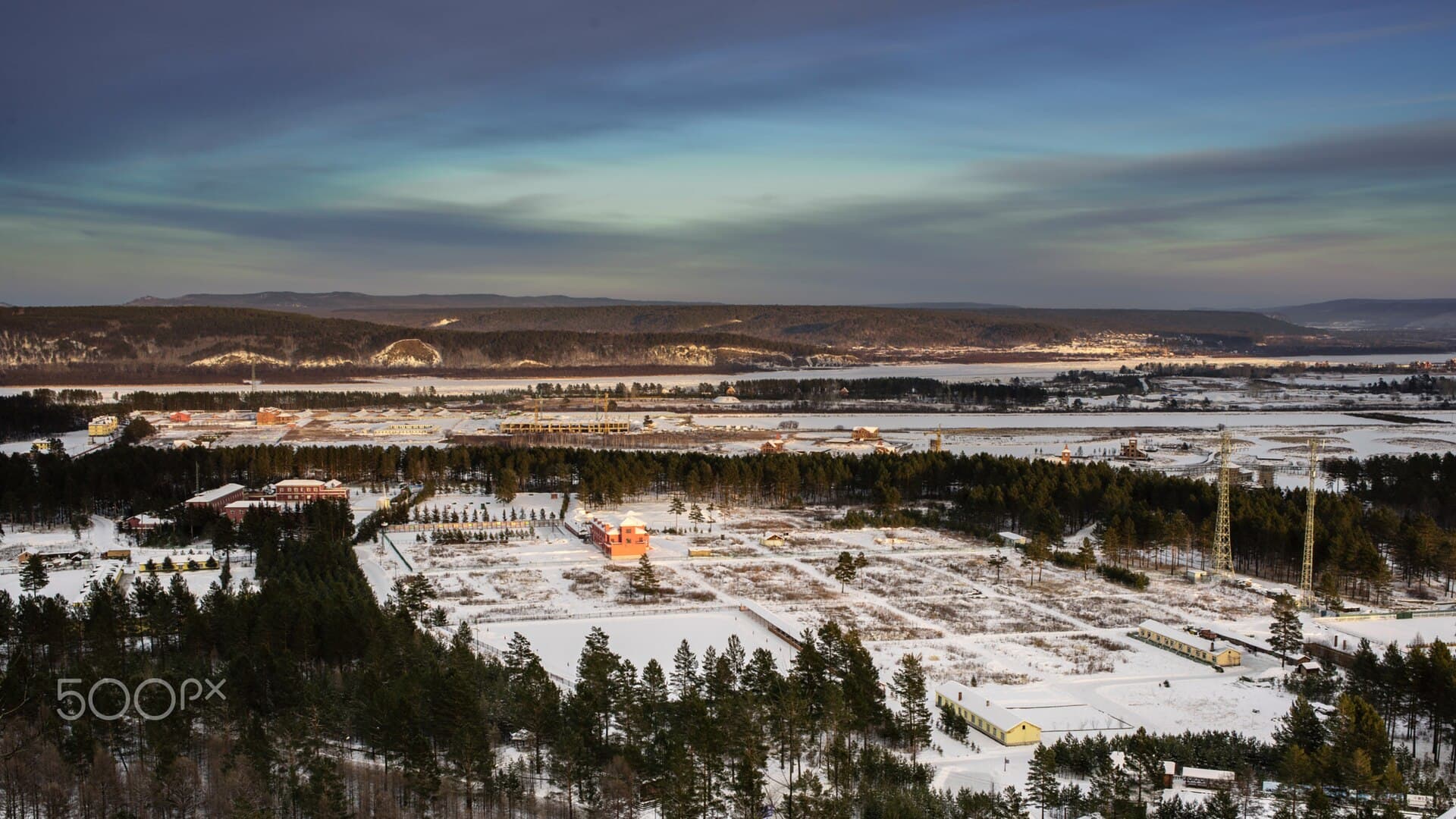
Wide-angle shot of the Russia-facing riverbank from the riverside boardwalk at first light. Mist over water in autumn. From xhs author @Dongdong.

Summer Solstice Midnight Sun
Xiaohongshu
447 likes

Summer Solstice Midnight Sun

Capture the 'midnight twilight' on June 20 to 22 when sky stays blue after sunset and sun barely dips below horizon. From xhs @Aitansuo.

Aurora Time-Lapse Over River
TikTok
13945 likes

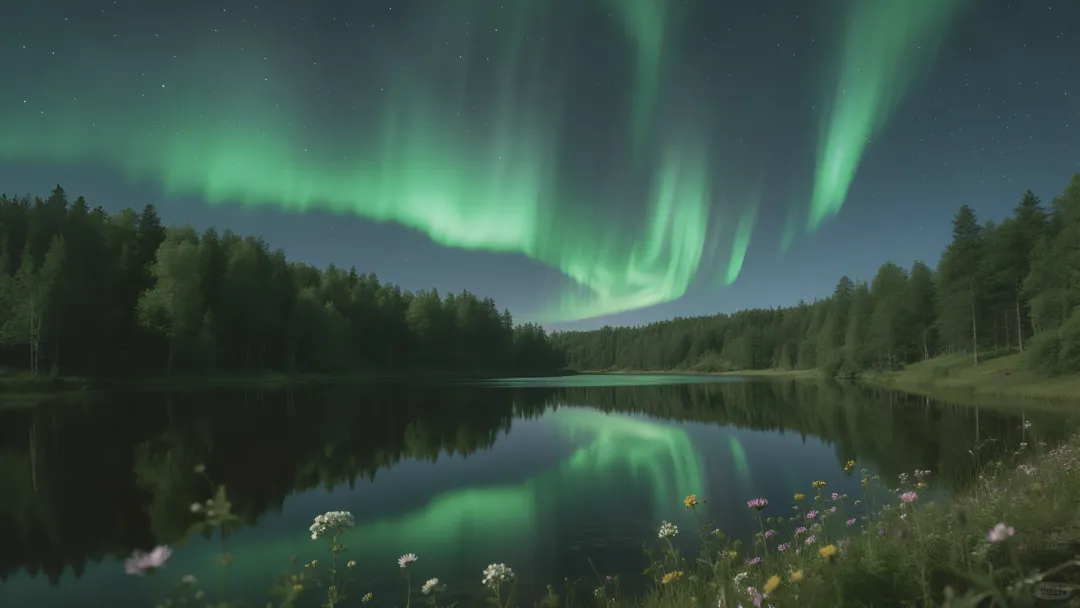
Aurora Time-Lapse Over River

TikTok creator captures Chinese aurora for the first time at Mohe: vertical time-lapse, river foreground, aurora green reflections.

Signature plays
Aurora Night Drive to Wusuli
Xiaohongshu
447 likes

Aurora Night Drive to Wusuli

Local guides run 4-hour night drives from Mohe town to dark-sky spots along the Heilong River when Kp index is high. Bring tripod and cold-rated camera. From xhs @Aitansuo.

Cross-Border One-Day Tour to Russia
Xiaohongshu
554 likes

Cross-Border One-Day Tour to Russia

Pre-arranged guided tour crosses the Heilong River to a Russian overlook village for a half-day cultural and market visit. Passport required. From xhs @Lili.

Getting there

flightFly to Mohe Gulin Airport (OHE) from Harbin about 1h 50m.
trainOvernight train K7041 from Harbin to Mohe Station takes about 14 hours; sleeper required.
busLong-distance bus from Jiagedaqi to Mohe takes about 7 to 8 hours; few daily departures.
carSelf-drive from Harbin via Heihe Highway about 1,300 km; 4WD with snow tires required.
Plan this in the app →

Similar in Heilongjiang