Skip to content
InChina is live on the App StoreDownload →
Xishuangbanna Dai Prefecture
Xishuangbanna · Yunnan · Place

Xishuangbanna Dai Prefecture

China's only tropical rainforest, Dai temples, and lantern-lit night markets in southern Yunnan.
Ivy ChenWritten and signed by Ivy Chen
4.6/5RatingPark entry CNY 45-160Ticket08:00-18:00 (parks); towns open all dayOpening hours

What it actually is

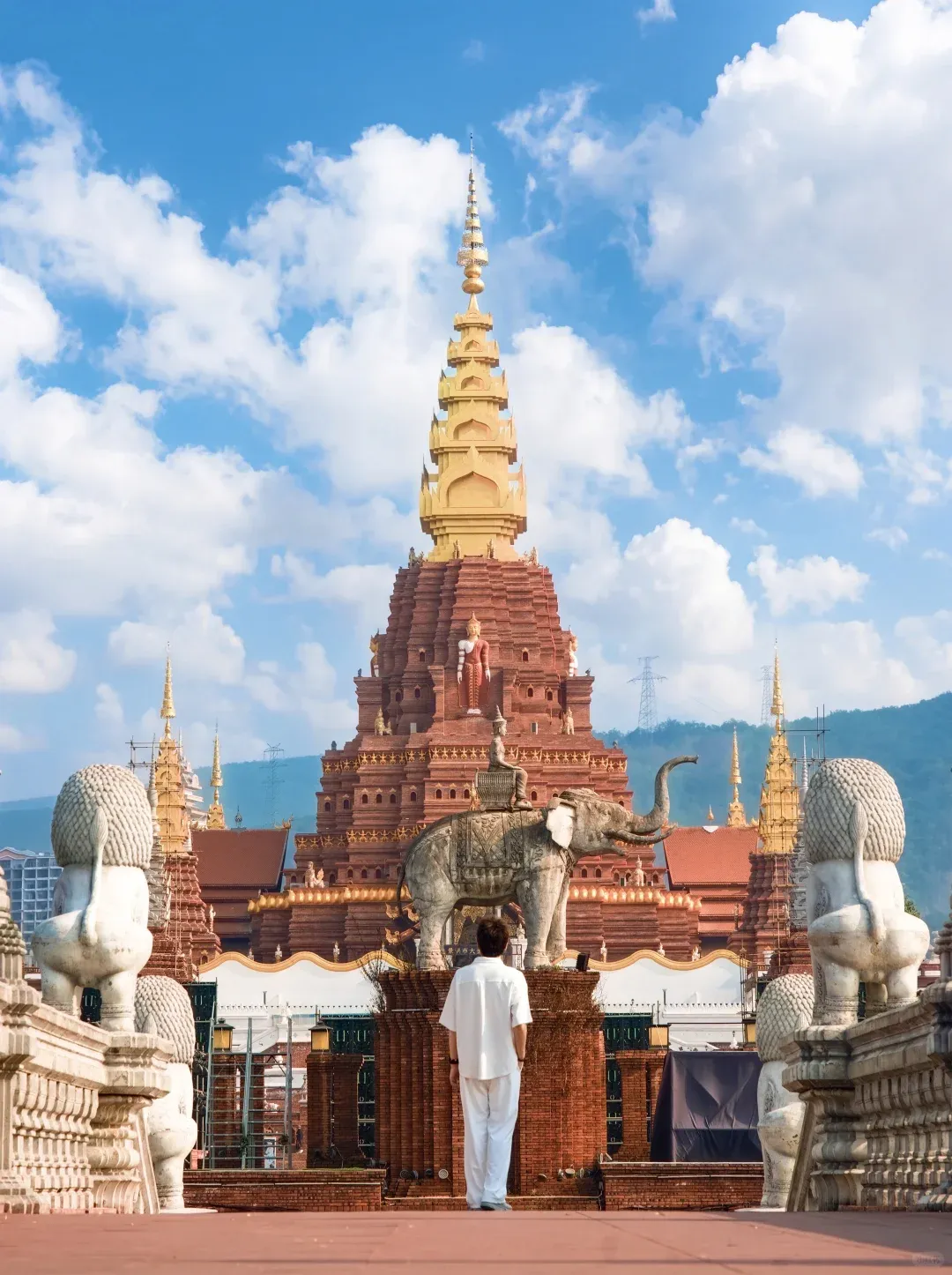
Xishuangbanna Dai Autonomous Prefecture is China's southernmost tropical frontier, a Yunnan (southwest China) sliver bordering Laos and Myanmar. The prefecture holds the country's only tropical rainforest, the last wild Asian elephants, and a centuries-old Theravada Buddhist (an early school of Buddhism dominant in Southeast Asia) Dai culture. Jinghong anchors golden stupa temple towns and a neon-lit Mekong night bazaar.

Editor's take

Ivy Chen
Ivy ChenWritten and signed by
The verdict

Worth it in winter for the tropical-rainforest scenery, Dai temple towns and photogenic night market — and you can do it solo — but eat cautiously (skip raw seafood, avoid overpriced riverside stalls) and pack heavy insect repellent; I'd steer clear in the rainy summer months, and skip it entirely if you can't stomach heavy MSG, crowds and a commercialized tourist zone.

What's great
The tropical rainforest and Dai temple towns are the real draw — people who go tend to say they'd return, and the riverside scenery along the Mekong with those tall old trees is genuinely striking. It's China's only tropical rainforest, so it looks like nowhere else in the country.
The Gaozhuang Starlit Night Market photographs far better than the ~CNY 40 ticket suggests. Go for the atmosphere and the light and you'll come away happy even without a fancy camera.
It's a proper warm-weather escape in winter — while the rest of China freezes, you're in shorts here. Come roughly November through February to dodge both the rain and the worst heat.
You can do it independently without a tour. The parks, temple towns and market are all self-navigable, and the quieter Mengla county area nearby is worth a wander if you want to escape the crowds.
Worth knowing
Food is the biggest complaint by far. Expect heavy MSG, and be wary of raw or cold dishes — raw shrimp, cold-mixed prawns (often frozen), raw beans. I'd skip the raw-seafood stalls entirely; hygiene is inconsistent and one riverside spot served visibly spoiled meat.
Riverside and night-market restaurants overcharge — think CNY 68 for eight small frozen shrimp, CNY 40 for a few lumps of sticky rice, a two-dish dinner easily hitting CNY 125. Order carefully, avoid the riverside tourist tables, and don't assume seafood is fresh.
Bugs and heat are real: lots of mosquitoes, biting insects, ants and even snakes in the rainforest. Bring strong repellent, especially with kids. Summer is oppressively hot and rains heavily, so an August trip is a gamble — go in winter instead.
Gaozhuang has become heavily commercialized and crowded with domestic tourists and out-of-region operators — some visitors found it inauthentic and left after a day. Set expectations: it's a polished tourist zone, not an untouched local village.
Grounded in 73+ traveller reviews. Distilled by our editors from traveller reviews on Xiaohongshu and Douyin.

Essentials

Opening hours08:00-18:00 (parks); towns open all day
TicketPark entry CNY 45-160
Contact+86 691 222 2222
Rating4.6/5

Good to know

Real-name ID for park entryChinese national ID or passport required at the gate for Wild Elephant Valley and Mengle Cultural Park.
Light long sleeves for jungle nights
Dry season Nov-Apr; rains May-Oct
Try Dai barbecue and pineapple rice
Gasa Airport has direct flights from Kunming and Bangkok
Keep passport close on the Myanmar border day-trips
Stay in Gaozhuang for walkable night bazaar access
Wear quick-dry clothes for the April Water-Splashing Festival

Trending now

China's only tropical rainforest

Xishuangbanna holds the only intact tropical rainforest in China, a UNESCO Biosphere Reserve (an internationally protected ecosystem for science and conservation) since 1993. The Menglun sector shelters 4,000+ plant species, including the strangler figs (a tree that germinates on a host and slowly envelops it) that wrap their roots around oil palms. The morning mist rises off the canopy 7-9 AM, the moment photographers call most alive.

Dai Theravada Buddhist temple towns

About a third of the prefecture is Dai, a Tai-language (a family of languages related to Thai and Lao) ethnic group whose Theravada Buddhism ties them more to Thailand and Laos than to Han China. The Zongfo Temple (the prefecture's chief Buddhist monastery, founded 615 AD) still runs a daily 8 AM alms-giving ceremony; the gilded pagoda roofs stay open for visitors until 5 PM. Remove shoes before entering any hall.

Gaozhuang Starlit Night Market

Every night, the riverside bazaar in Gaozhuang Xishuangjing (a reconstructed Dai-style old town) lights up with bamboo lanterns, fruit shakes, and Dai-style barbecue skewers. The neighboring Six Countries Water Market is a stilted floating market themed on the six Mekong nations, selling grilled river fish, sour bamboo-shoot soup, and pineapple sticky rice from long-tail boats.

Getting there

flightGasa Airport has direct flights from Kunming (~50 min) and Bangkok
trainChina-Laos high-speed rail from Kunming arrives in ~3.5 hours
busOvernight sleeper buses from Kunming South take ~10 hours
didiDiDi works in Jinghong center; English app supported, download before arrival
carCar rental available in Jinghong for distant parks; foreign licenses not accepted in China – hire a driver or use DiDi.
Plan this in the app →

Plan around this guide