
Gulangyu Island
A car-free piano island off Xiamen, famous for its 1910s colonial villas, ocean gardens, and silent alleys where stray cats nap in old doorways.
What it actually is
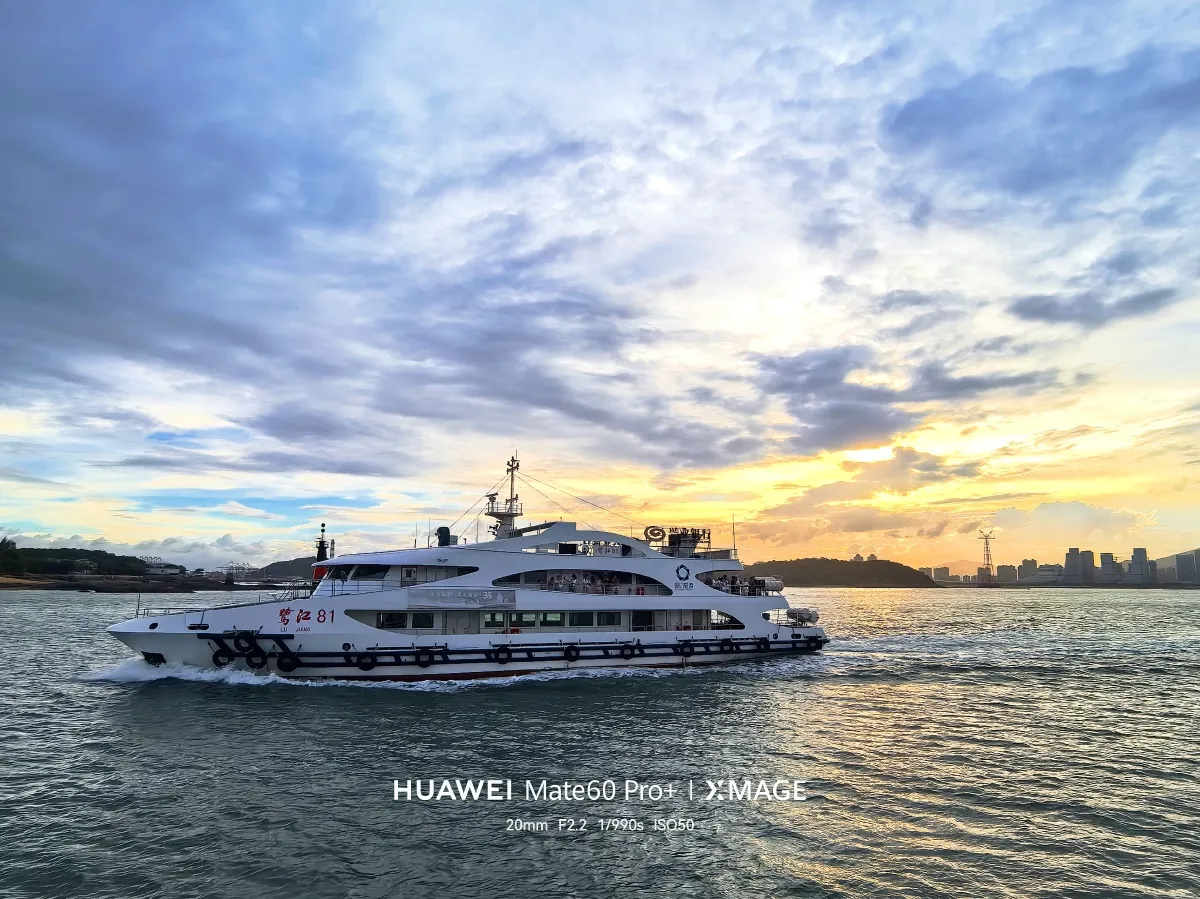
Gulangyu is a 1.88 sq km pedestrian island a five-minute ferry from downtown Xiamen. It earned UNESCO World Heritage status in 2017 for over 1,000 protected 1910s-1930s villas mixing Southern Fujian, European, and Southeast Asian architecture, and for its legacy as China's piano capital. Plan a full day minimum.
Editor's take
Worth a full day for anyone who cares about early-20th-century Chinese architecture, quiet alleys, or piano history. Skip if you have one tight day in Xiamen and just want 'the beach' — Gulangyu isn't that. Day-trippers will like it; overnighters will love it.
Essentials
Good to know
Trending now
UNESCO Architectural Heritage
Over 1,000 protected villas from 1910-1930 mix Southern Fujian (Minnan) red-brick construction with European Baroque columns and Nanyang (Southeast Asian) verandas. The UNESCO committee cited this as the densest surviving example of late-Qing and Republican-era multicultural exchange in China. Walk Bishan Road, then drop downhill to the Inner Cuo'ao (Neicuoao) lanes for the quietest examples.
China's Piano Capital
By the 1950s Gulangyu had a piano in roughly one of every two households, earning the nickname 'Piano Island.' The Gulangyu Piano Museum (on Shuzhuang Garden grounds) holds over 70 antique instruments, including a working 1880s Steinway. Concerts still ring out from private villas on weekends — the acoustics travel across the alleys.
Car-Free Lanes and Alley Cats
The only motor vehicles allowed on the island are small service trucks and silent electric police carts. Residents walk, push carts, and cycle. Stray cats — descendants of pets left during the 1940s evacuation — now number in the hundreds and sun themselves in every other doorway. The absence of traffic noise is the actual reason people keep coming back.
Sunlight Rock at Golden Hour
The 40-meter granite outcrop at the island's center — 50 CNY entry, 10 minutes to the top — gives the only true Xiamen skyline view. Locals climb at 4-5 PM when the day-trippers thin out and the western light turns the high-rises gold. Bring water; the only vendor is at the entrance.
Oyster Omelet and Fish-Ball Soup
Gulangyu's signature snack is haoyou jianzi (oyster omelet), a Fujianese dish of small oysters bound with sweet-potato starch and fried with egg. Locals say the island's best versions are in the back lanes off Longtou Road, not on the main tourist strip. Pair with rouyan (Fujianese fish-ball soup) — both under 30 CNY at family-run counters.
Bagua Building Labyrinth
The 1930s Bagua Lou (Eight Trigrams Building) is a red-brick villa built so that every interior wall is offset — you enter one door and exit a different one, always disoriented. The owners' wealthy son designed it as defense against bandits. Free entry; 15 minutes; the unmarked door is on Nanxun Road.
Sunset at Gangzaihou Beach
The island's only real swimming beach, on the west coast, faces Xiamen's twin-tower skyline. Locals gather at low tide for the golden hour when the city lights begin to reflect on wet sand. Better for walking than swimming — the water is murky. Allow 1 hour at sunset.
One-Day Walking Route
Start at Sanqiutian Pier, walk uphill to the Most Beautiful Corner on Bishan Road, continue to Sunlight Rock (go before 10 AM or after 4 PM to skip the crowd), then down through Neicuoao lanes to lunch near Longtou Lane. Finish at Shuzhuang Garden and the Gulangyu Piano Museum, then the beach at golden hour.