
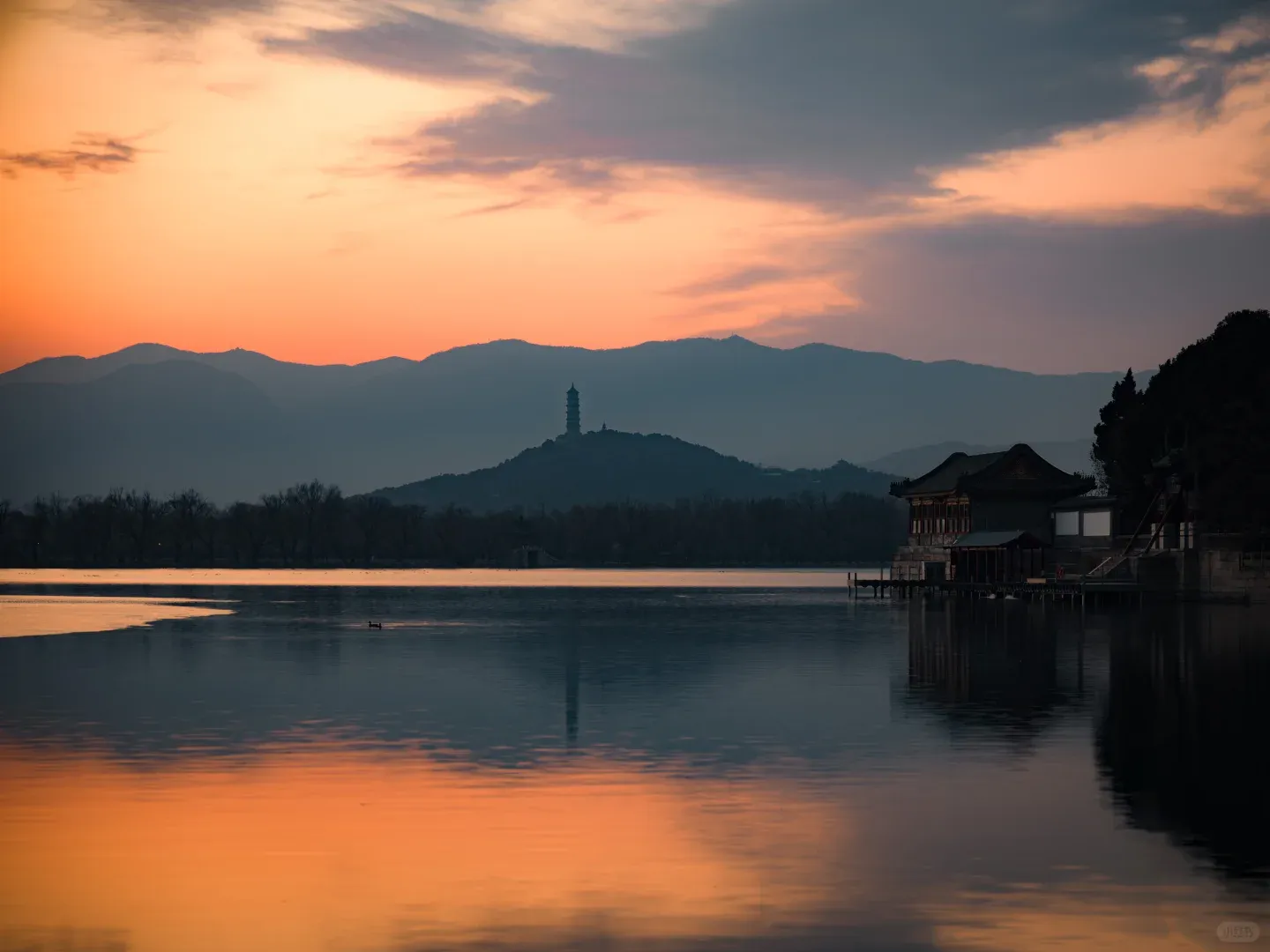
Summer Palace Beijing
Beijing's largest royal garden and a Qing Dynasty (1644-1912) masterpiece of lake, hill, and pavilions on the city's northwest edge.
 Written and signed by Xiangqun Li
What it actually is
Beijing's largest royal garden and a Qing Dynasty (1644-1912) masterpiece of lake, hill, and pavilions, inscribed as UNESCO World Heritage in 1998. Half-day minimum, full-day recommended; the seasonal cycle rewards return visits.
Editor's take
Worth a half to full day and the CNY 60 ticket for any first-time Beijing visitor; serious photographers and garden enthusiasts should plan a return in a different season. Skip it if you only have one Beijing day and prefer museums — the Forbidden City is a faster, denser hit.
Essentials
Good to know
Trending now
Kunming Lake and Seventeen-Arch Bridge
Kunming Lake (Kunming Hu, literally 'Kunming Pond') covers three quarters of the Summer Palace grounds, and its Seventeen-Arch Bridge — a 150-metre-long white-stone ribbon — links the eastern shore to Nanhu Island. From the bridge at sunset (best at 5-6 PM in autumn when crowds thin and the western hills catch gold light), the lake turns burnished copper and the marble railings glow. Bring a 70-200 mm lens if you can; the bridge's reflections stack in perfect symmetry on still days.
The Long Corridor and Tower of Buddhist Incense
The 728-metre Long Corridor (Chang Lang, 'Long Covered Walkway') runs along the northern shore, painted with over 14,000 scenes from Chinese mythology and classical novels. At its southern end rises Foxiang Ge (Foxiangge, 'Tower of Buddhist Incense'), a 41-metre tiered pavilion built to please Empress Dowager Cixi (1835-1908, de facto ruler of late-Qing China for nearly half a century). Walking the corridor in low light feels like paging through an open storybook — locals warn the painted beams fade fast in afternoon sun, so visit before 11 AM (best in Apr to early Jun) to see colours at their richest.
A Living UNESCO Garden
The Summer Palace was inscribed on the UNESCO World Heritage List in 1998 as 'a masterpiece of Chinese landscape garden design', the largest and best-preserved royal garden in China. The Qing emperors (1644-1912, China's last imperial dynasty) poured 150 years of thought into fusing Longevity Hill's forested slopes with the open water of Kunming Lake. Every pavilion sits where the borrowed scenery of the western hills frames best. Photographers swear by the North Ruyi Gate (Bei Ruyi Men, the north side entrance) for the fastest path to the causeway and Long Corridor, and ranked the seasonal cycle — peach blossoms mid-April to early May, lotus June through August, crimson maples late October — as the real reason to return.