
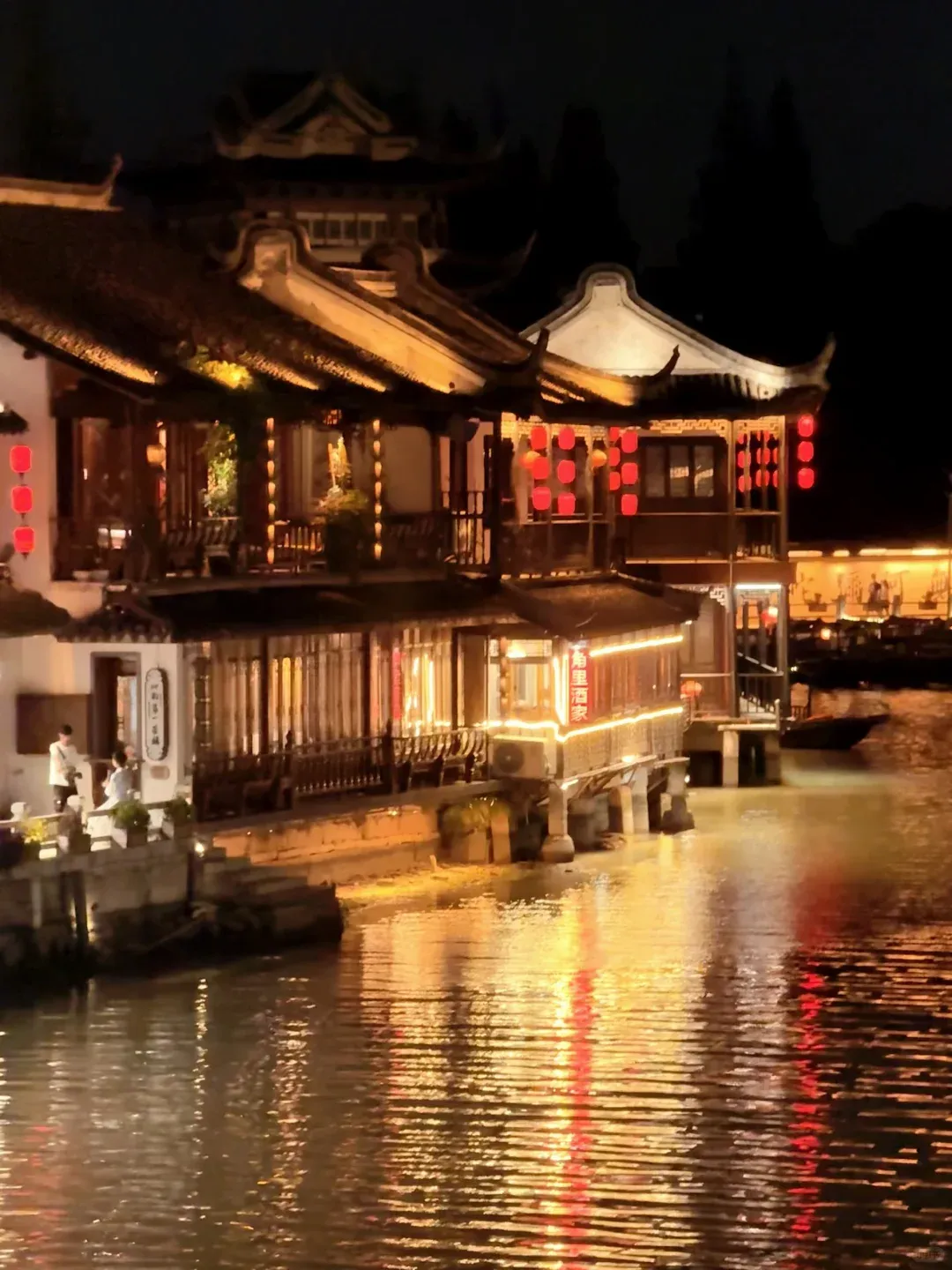
Zhujiajiao Water Town
Shanghai's closest Ming-era canal town — 36 stone bridges and Da Qing Post Office, an hour on Metro Line 17.
 Written and signed by Marcus Yang
What it actually is
Shanghai's closest Jiangnan (region south of China's longest river, known for water towns) canal town, founded in the Song Dynasty (960-1279) and laid out along Ming-era (1368-1644) canals. About 45 km west of central Shanghai; 36 stone bridges, Da Qing Post Office (1903), and Kezhiyuan garden still draw both locals and overseas visitors.
Editor's take
Worth the trip if you want Jiangnan canal scenery without a 2-hour bus ride. Go on a weekday morning or stay overnight — pure weekend day-tripping will drain the charm. Best suited to first-time visitors who want the classic water-town photo without committing to Suzhou or Hangzhou.
Essentials
Good to know
Trending now
A 900-Year-Old Canal Town
Zhujiajiao (literally 'Zhu Family Corner') traces its market roots to the Song Dynasty (960-1279 AD) and was formally established as a town in the Ming Wanli reign (1573-1620). The name Zhujiajiao literally translates to 'Zhu family corner', but the old town is also called Zhujie Ge or Zhuli. Its compact grid of canals, stone bridges and lane-side homes made it a textile trading hub ('clothes for the whole realm'), and today's canals still trace the routes merchants used to ship cloth to Jiangsu and Zhejiang.
Fangsheng Bridge, a Ming-Era Arch
The five-arch Fangsheng Bridge (Fangsheng Qiao, meaning 'Release-Life Bridge') was first built in 1571 and rebuilt in 1812 during the Qing Dynasty (1644-1912). It is the largest stone arch bridge in the Shanghai region, with each pier topped by a carved stone lion and Buddhist relief panels from the Ming and Qing periods. Walking its 70-meter span at dawn, when the canal mirrors its silhouette, is the most-photographed moment in town.
Da Qing Post Office, a Living Relic
The 1903 Da Qing Post Office (Da Qing Youju, the Qing-dynasty postal station) is the only surviving Qing-dynasty (1644-1912) post office in East China. Inside you can still see the original wooden counter, a giant copper 'dragon' mailbox cast in the late Qing style, and the original cancellation stamps. Visitors can post a letter from the period counter — a tactile piece of postal history that the major Shanghai museums do not have.