
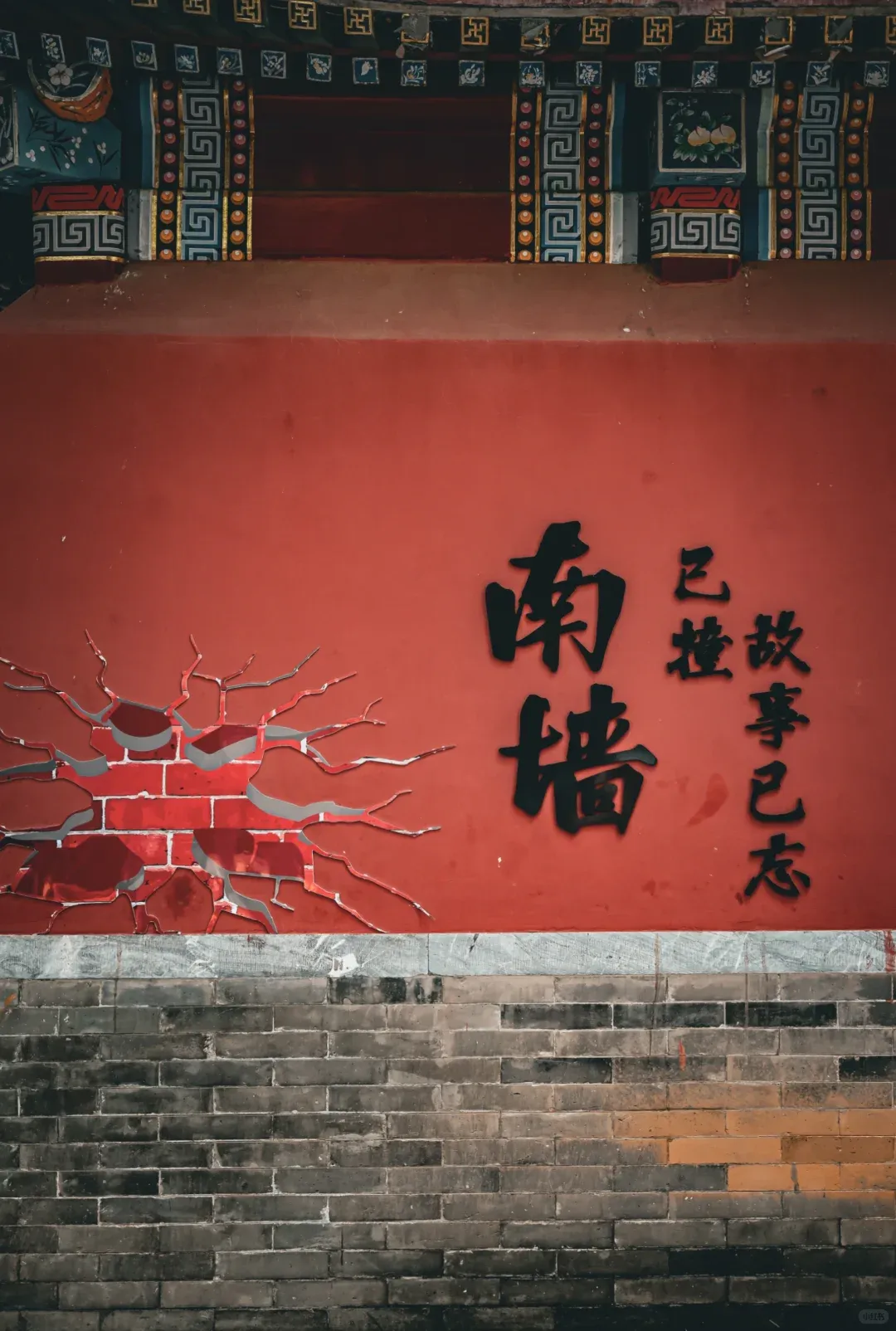
Tanzhe Temple
Beijing's oldest Buddhist temple, founded in the Jin Dynasty (265-316 AD, Western Jin), with Liao-era ginkgo trees.
 Written and signed by Xiangqun Li
What it actually is
Tanzhe Temple, nestled in Beijing's Mentougou foothills, is the city's oldest active Buddhist site — founded during the Jin Dynasty (265-316 AD, Western Jin). The 1,300-year-old Liao-era Emperor Tree ginkgo and Qing imperial calligraphy anchor a quiet half-day visit.
Editor's take
Worth a half-day trip for anyone in Beijing who has already done the Lama Temple and Temple of Heaven and wants something older, quieter, and set in the western hills. Best suited to travelers who enjoy slow walking, temple architecture, and seasonal foliage — October is the obvious target for the ginkgo canopy. Skip if you have only one day in Beijing, rely on public transit and dislike long bus rides, or need full wheelchair access — central Beijing temples are easier logistically.
Essentials
Good to know
Trending now
First Came Tanzhe, Then Beijing
Tanzhe Si predates Beijing City by over a thousand years. Founded during the Western Jin dynasty (265-316 AD), the temple anchors the Mentougou (Western Hills) foothills. The saying 'xian you Tanzhe Si, hou you Beijing Cheng' (first came Tanzhe Temple, then came Beijing City) captures how this single temple outlived dynasties — Tang, Liao, Yuan, Ming, Qing — each leaving layered additions. Qing emperors Kangxi and Qianlong donated calligraphy plaques and roof ornaments you can still trace on the central axis.
The 1,300-Year Emperor Tree
The Liao dynasty (916-1125 AD) ginkgo 'Di Wang Shu' (Emperor Tree) is the temple's signature — a 1,300-year-old female tree so named by Emperor Qianlong. Local lore holds that when a wise ruler ascends the Chinese throne, the trunk grows a new branch. Beside it stands the 'Pei Wang Shu' (Empress Tree), and the two have leaned into each other for centuries. Late October the canopy turns solid gold; locals walk the courtyard clockwise three times for blessing. Aim for late morning when soft side-light filters through the fan-shaped leaves against the red walls (best at 10-11 AM in late October).
Vegetarian Noodles in Pear Courtyard
Behind the main hall, Lishu Yuan (Pear Tree Courtyard) hosts the temple's vegetarian canteen. The signature dish is 'luohan sumian' (Arhat vegetarian noodles, around CNY 30) — wild mushroom broth with seasonal greens and chewy hand-pulled wheat noodles, served in a converted Qing-era quadrangle under the namesake pear tree. Order the full set (CNY 60-80) for a quiet lunch with tea. Cash and mobile pay both accepted; weekends fill by 11:30 AM.