
Wuhou Shrine
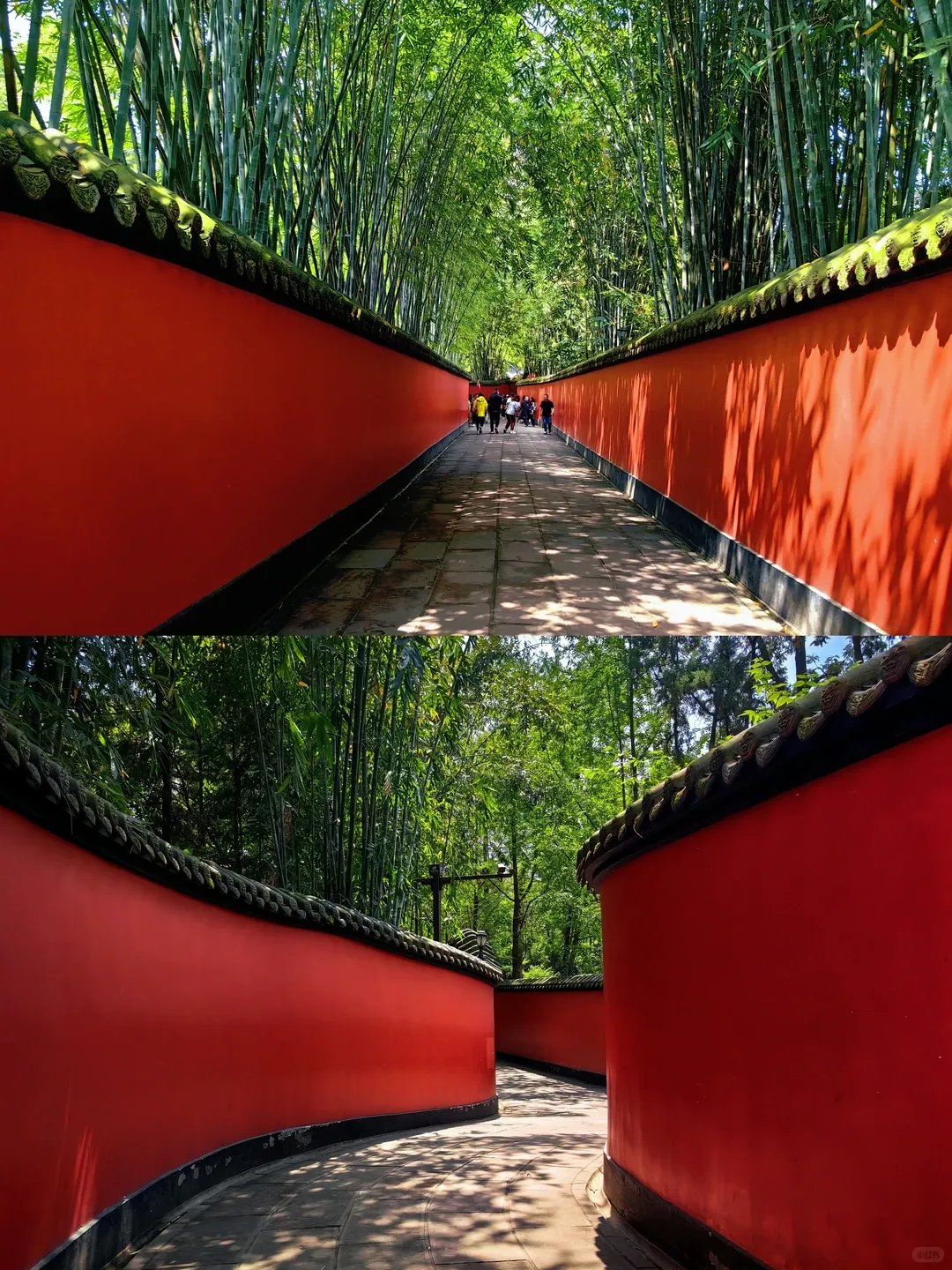
Three Kingdoms (220-280 AD) memorial honoring Liu Bei and Zhuge Liang together, with a bamboo-walled red passage.
 Written and signed by Lena Zhou
What it actually is
Wuhou Shrine (Wuhou Ci, Memorial to Marquis Wu) is Chengdu's most revered Three Kingdoms (220-280 AD) site, where Liu Bei and Zhuge Liang are worshipped side by side. Rebuilt in 1672 during the Qing Dynasty (1644-1912), it blends Tang steles, Ming cypress, and a bamboo-shaded red passage near Huiling. Jinli street is across the east gate.
Editor's take
Worth it for anyone curious about Three Kingdoms (220-280 AD) or Chinese temple aesthetics, but go at opening and skip if you hate tour groups. Couples and photographers will get the most out of the morning light; families with restless kids should pair it with Jinli rather than expect a long museum day.
Essentials
Good to know
Trending now
Lord and Minister United
Wuhou Shrine (Wuhou Ci, Memorial to Marquis Wu) is China's only temple where a ruler and his chancellor share a roof, an unusual 'lord-and-minister worshipped together' layout built after Ming Prince Zhu Chun's 1391 reorganisation. The contrast between Liu Bei's grand hall and Zhuge Liang's quieter rear hall still shapes how visitors read the Three Kingdoms (220-280 AD, when three rival dynasties split China).
Bamboo Red Wall Passage
A short S-shaped corridor beside Huiling (Liu Bei's tomb) where bamboo canopy throws moving shadows onto tall red walls. Most-photographed corner of the shrine, best at 14:00-16:00 in Mar-May when afternoon sun rakes the wall at a low angle. Stand low and shoot upward to drop crowds out of frame.
Liu Bei Tomb and Cypress
Huiling, the mausoleum of Liu Bei (Shu Han's first emperor), sits inside the grounds and is ringed by Ming-era cypress trees planted in the 14th century. Stone guardians mark the entry; the air inside the tomb mound stays noticeably cooler in summer.