
Lu Xun's Literary Shanghai Walk
A quiet Hongkou literary walking loop tracing Lu Xun's Shanghai years through century-old villas and lanes.
What it actually is
A Hongkou walking loop follows Lu Xun through his final Shanghai decade. The route threads leafy residential lanes, Duolun Road's villa row, and Lu Xun Park. Most residences can only be admired from outside; the streets are the attraction.
Editor's take
Worth a half-day if you have any interest in modern Chinese literature or Republican-era architecture. Skip it if you want a single iconic photo - the appeal here is layered rather than a one-shot landmark. Best on a weekday morning in October or November.
Essentials
Good to know
Lu Xun's Hongkou Literary Loop
From Lu Xun Park through Tian'ai Road's leafy tunnel, past the Lu Xun former residence to Duolun Road's villa row, then onward to the Left-Wing Writers League memorial. Recommended start: 09:00.
- 1
Lu Xun Park· 1-2 hours
Lu Xun's (Lu Xun, 1881-1936) tomb sits among four hundred maple trees; the park's free Lu Xun Memorial Hall displays manuscripts and personal items. Seniors gather here for street calligraphy and chess on weekend mornings.
Start here
- 2
Tian'ai Road· 30 minutes
The 'Sweet Love Road' (Tian'ai Road) is a 900m lane lined with dawn-redwoods and decorated with pink bow ribbons and a heart-shaped pedestrian light. Popular for wedding photos.
Walk 300m, about 4 min to next stop
- 3
Lu Xun Former Residence· 30 minutes
Lu Xun's third and final Shanghai home (1933-1936). Mao Dun (Mao Dun) and Qu Qiubai (Qu Qiubai) lived within 50m. Entry CNY 8, closed Mondays.
Walk 400m, about 5 min
- 4
Uchiyama Bookstore Former Site· 30 minutes
Uchiyama Bookstore (Uchiyama Bookstore, founded 1917) was where Lu Xun bought books, met friends, transacted correspondence, and sheltered during political crackdowns. A reconstructed bookstore-cafe now operates on-site.
Walk 200m, about 3 min
- 5
Duolun Road Cultural Street· 1 hour
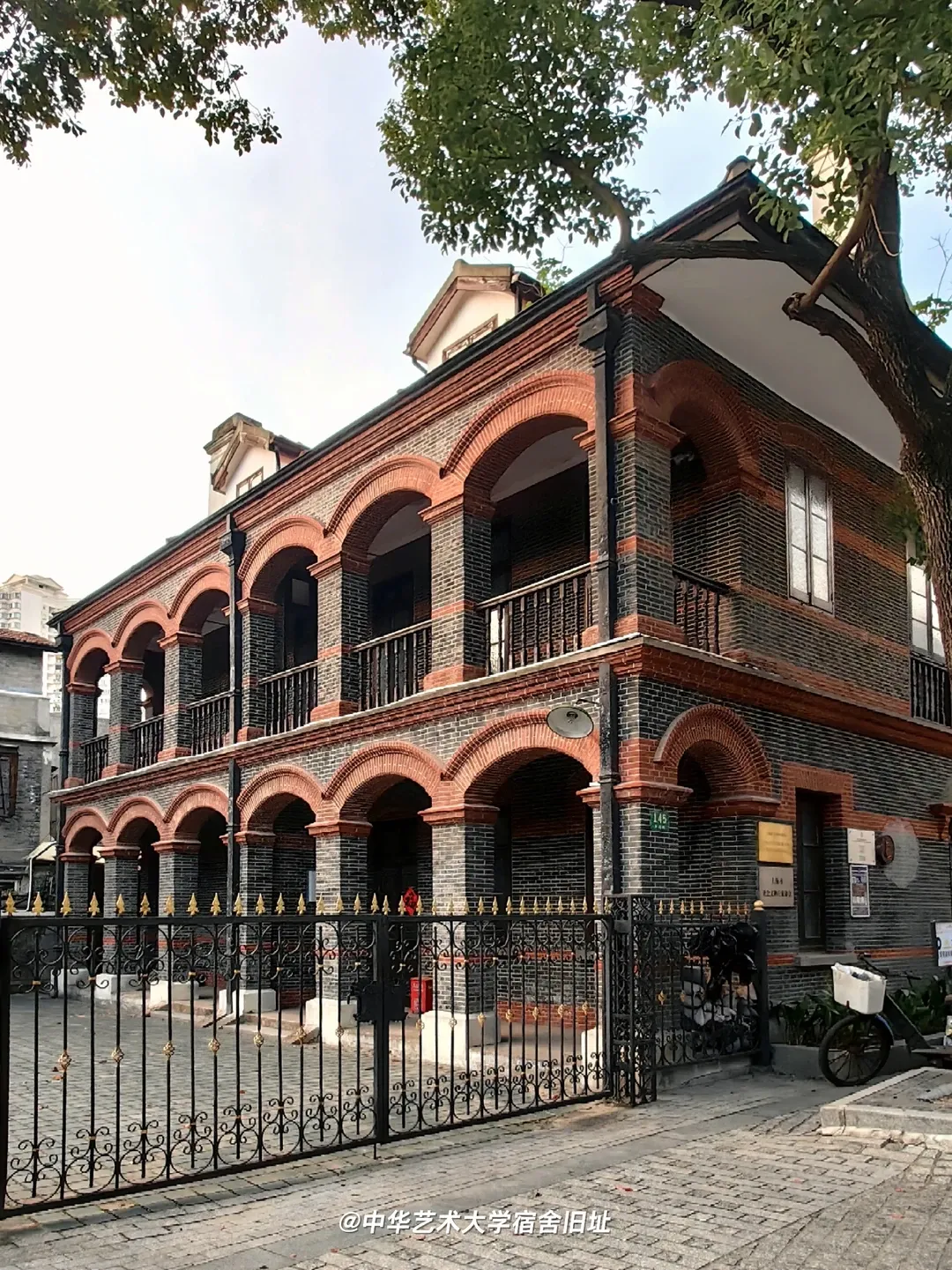
A 550m L-shaped lane, originally Darroch Road (Darroch Road) under the foreign concessions. Twenty-plus Republican-era villas housed Lu Xun, Mao Dun, and Guo Moruo; most can only be viewed from outside. The Yishi Bell Tower marks the entrance.
Walk 350m, about 5 min
- 6
League of Left-Wing Writers Memorial· 30 minutes
On 2 March 1930 the League of Left-Wing Writers (League of Left-Wing Writers) was founded here; Lu Xun delivered the keynote address. The 1924 British-neoclassical villa now houses a free memorial museum, closed Mondays.
Walk 100m, about 1 min
- 7
Hongde Church· 20 minutes
Hongde Church (Hongde Church, built 1928) is Shanghai's only publicly accessible Christian church built in traditional Chinese palatial style: flying eaves, glazed tile roof, brick-and-stone walls. Free entry.
Walk back toward Sichuan Road metro (Line 3/8), 800m about 10 min
Trending now
Lu Xun's final Shanghai decade
Lu Xun (1881-1936), widely considered the founder of modern Chinese literature, arrived in Shanghai in October 1927 and lived his last nine years in this Hongkou neighborhood. The route touches his tomb, his third Shanghai home, the bookstore where he worked and sheltered, and the street where his colleagues gathered. His name, not The Bund (Shanghai's iconic riverside promenade), is what draws literary travelers to Hongkou.
Duolun Road, an open-air Republican villa museum
This 550m L-shaped lane (originally Darroch Road in the foreign concessions) held over twenty early-20th-century villas. The Kong Mansion (1924, inspired by the Alhambra) and Bai Mansion (French neoclassical) anchor the row. Most villas are now embassies, restaurants, or hospital departments and can only be admired from the street; the Yishi Bell Tower marks the entrance.
League of Left-Wing Writers founding site
On 2 March 1930 the League of Left-Wing Writers was founded at Duolun Road 201, Lane 2, with Lu Xun delivering the keynote. The 1924 British-neoclassical villa is now a small free memorial museum (closed Mondays). The street is otherwise quiet; on weekdays you may have it almost to yourself.