
Suzhou Museum
I.M. Pei garden-style masterpiece: white walls, slate roof, sliced-stone rockery, Song pearl stupa, free entry.
 Written and signed by Alex Chu
What it actually is
Opened in 2006, Suzhou Museum was designed by the late I.M. Pei (Bei Yuming, the Chinese-American architect of the Louvre Pyramid) as a meditation on Jiangnan (region south of the Yangtze (China's longest river), famed for water-town gardens) architecture: whitewashed walls, slate-grey tile roofs, and a central courtyard built around a century-old rockery of sliced Taihu stone.
Editor's take
Worth it for any visitor to the Yangtze Delta, and a near-mandatory stop for architecture and design fans. Best as a half-day pairing with the Humble Administrator's Garden next door. Skip if you only have one day in Suzhou and dislike crowds, or if you cannot secure a reservation in advance; do not try to wing it on a Monday.
Essentials
Good to know
Trending now
Pei's rockery of sliced stone
The central courtyard's eight-meter rockery of sliced Taihu (Lake Tai, Jiangsu's largest freshwater lake) stone is Pei's signature riff on classical Chinese garden mountains, painted whitewash walls for paper and shadow for ink. Photograph through the central hall's glass curtain wall for the museum's defining composition.
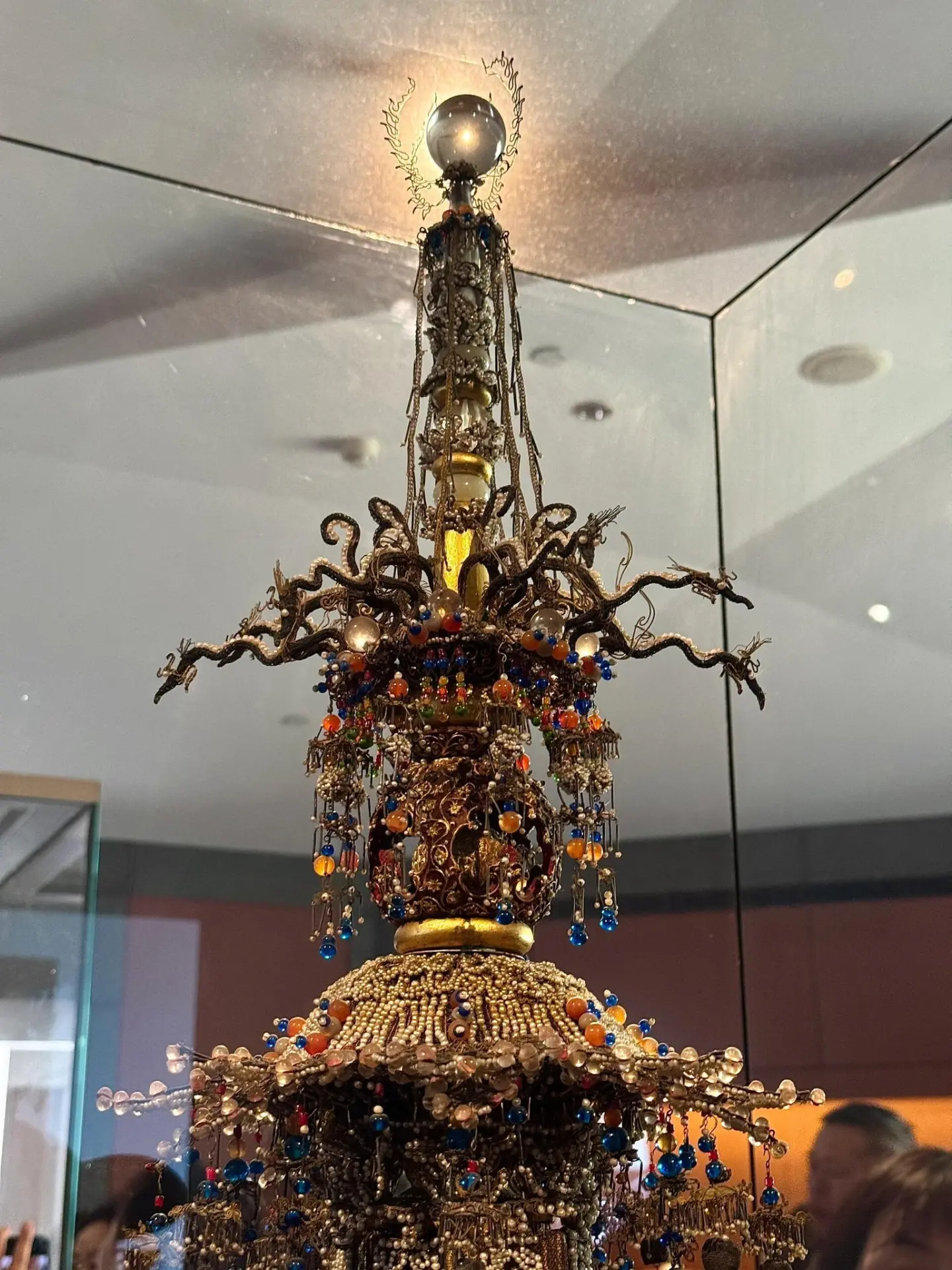
Northern Song pearl reliquary stupa
Discovered in 1978 by schoolboys climbing the Ruiguang Pagoda (a Song-dynasty brick pagoda a short walk away), the Pearl Reliquary Stupa is a Northern Song (960-1127 AD) masterpiece inlaid with nearly 40,000 pearls and crowned with a silver-filigree celestial scene.
Five Dynasties (907-960 AD) lotus bowl
A small celadon bowl from the Five Dynasties (907-960 AD) period, considered the finest surviving example of Yue kiln 'secret-color' ware, the lost jade-like glaze reserved for Tang-dynasty imperial tribute.