
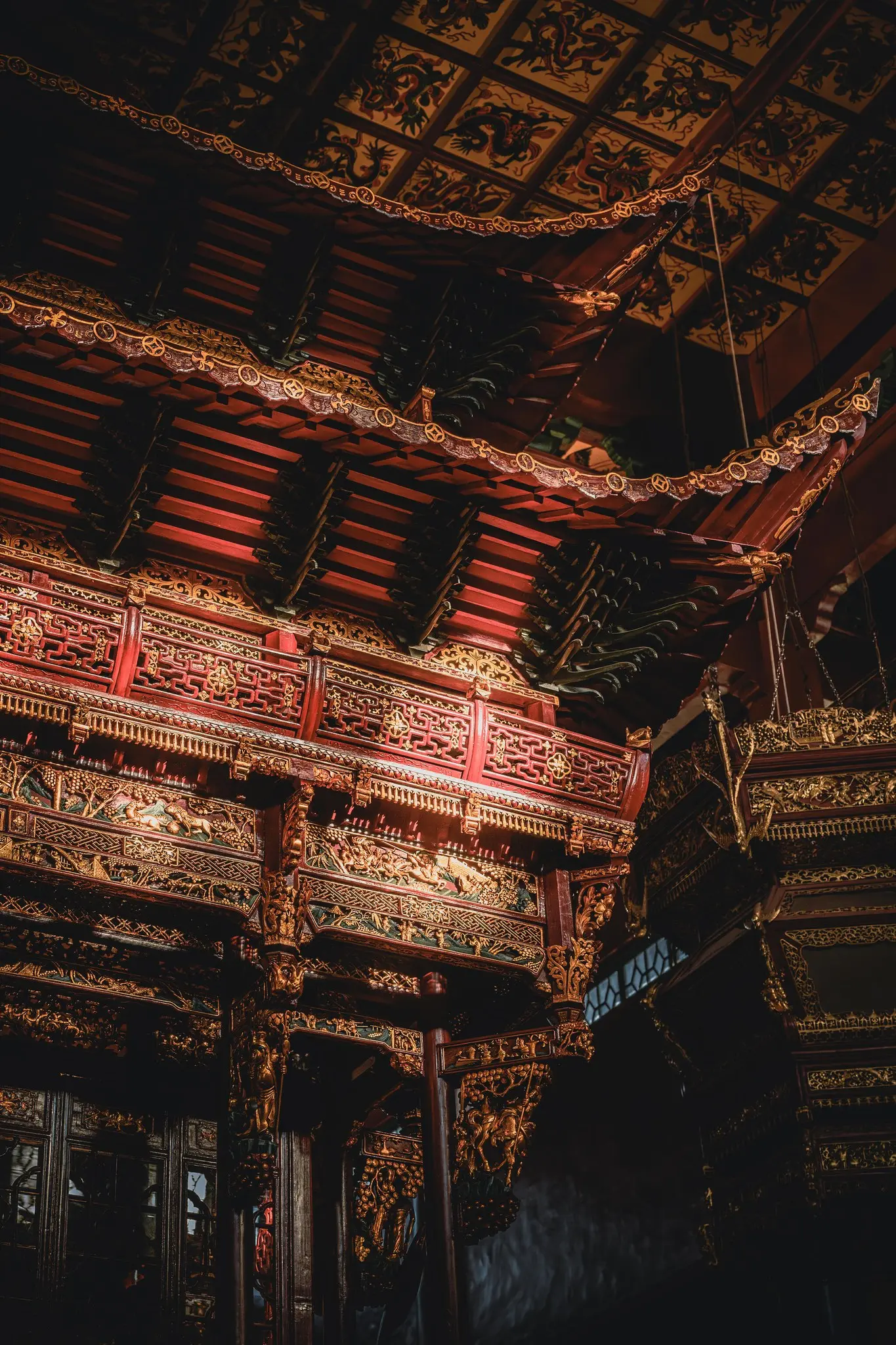
Lingyin Temple
Hangzhou's oldest and largest Buddhist temple, founded in 326 AD and nestled at the foot of Feilai Peak.
 Written and signed by Marcus Yang
What it actually is
Hangzhou's oldest and largest Buddhist temple, founded in 326 AD and nestled at the foot of Feilai Peak.
Editor's take
Worth it — get there at the 7:30 opening and you'll have the Mahavira Hall nearly empty. Skip the temple if you arrive after 11 AM on a weekend; it is not the same experience. Best paired with a quiet Feilai Peak walk and a vegetarian lunch at Yongfu Temple.
Essentials
Good to know
Trending now
Feilai Peak Rock Carvings
Carved into Feilai Peak (Flying-From-Afar Peak) are over 340 Buddhist (a religious tradition founded in ancient India) stone figures dating from the 10th to 14th centuries, including the famous smile of the Maitreya (a future Buddha) carved during the Song Dynasty (960-1279 AD, a Chinese golden age of art and trade). Most visitors miss the small Bodhisattva (an enlightened being who postpones nirvana to help others) figures hidden in the shaded grottoes along the lower path.
Mahavira Hall Bronze Statues
The Mahavira Hall (Daxiong Baodian) houses a 24.8-meter-tall seated Shakyamuni (the historical Buddha) statue cast in 1956 from more than 100 pieces assembled from across China, then gilded layer by layer. The hall is the spiritual heart of the temple; arrive before 8 AM to see morning monks chanting and incense smoke drifting across the bronze.
Eighteen Arhat Halls
Two side halls hold a total of 500 painted arhat (enlightened disciples of Buddha) statues, each with a unique facial expression and pose — local visitors come specifically to find the one whose face resembles their own. Photographers favor the soft window light from 9-10 AM, when the painted wood surfaces glow warm.