Skip to content
InChina is live on the App StoreDownload →
Wangshi Garden
Suzhou · Jiangsu · Place

Wangshi Garden

Suzhou's most refined small garden, a Song Dynasty (960-1279) scholar's retreat preserved at residential scale.

Lena ZhouWritten and signed by Lena Zhou
4.7/5RatingDay admission CNY 40; Night Garden program CNY 100 (advance bookingTicket07:30-17:00 (Apr-Oct); 07:30-16:30 (Nov-Mar)Opening hours

What it actually is

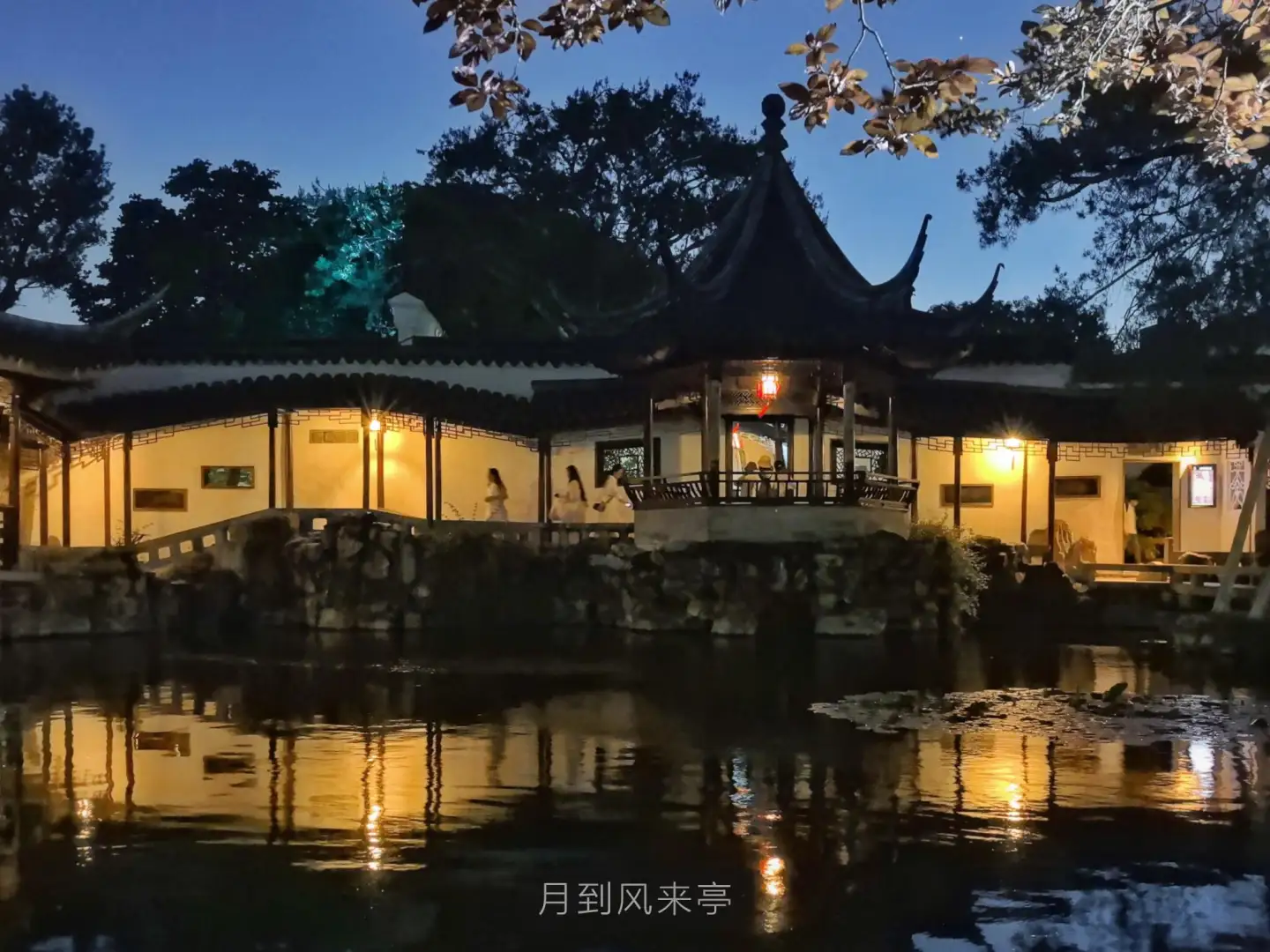
Wangshi Garden (Master of Nets Garden) is Suzhou's most refined small UNESCO garden, tucked behind Kuojiatou Lane. At 5,400 sqm it is the smallest of Suzhou's four famous classical gardens, yet rated the most delicate. Visit at opening to catch magnolias framing whitewashed walls, or come back at dusk for the Night Garden program of Kunqu opera and silk-and-bamboo music.

Editor's take

Lena Zhou
Lena ZhouWritten and signed by
The verdict

Worth it for the refined scale and the Night Garden program, especially in magnolia season or late September osmanthus; skip if you only have a rushed morning and cannot book the night tour. Best suited to travelers who enjoy slow, intentional sightseeing rather than ticking off the Suzhou garden list.

What's great
Visit at 07:30 opening to catch the magnolias without the tour groups; the Tiyunshi door-frame shot is best at 8-9 AM when side-light hits the carved screen
The Night Garden program is the single best way to see this garden: lantern light, Kunqu opera drifting from the pavilions, and a guide who explains the symbolism of each courtyard
Pair with a slow walk along Pingjiang Road afterwards; the canal-side lanes lead naturally to Couple's Retreat Garden 1.2km north
Worth knowing
Tour groups arrive by 10:00 and the central pavilions become hard to photograph until after lunch
July-August is brutally humid; the pavilions offer shade but the inner courtyards are still hot
Day tickets give access to a beautiful but somewhat static garden; the Night Garden is where Wangshi really comes alive, and it is double the price
Grounded in 37+ traveller reviews. Distilled by our editors from traveller reviews on Xiaohongshu and Douyin.

Essentials

Opening hours07:30-17:00 (Apr-Oct); 07:30-16:30 (Nov-Mar)
TicketDay admission CNY 40; Night Garden program CNY 100 (advance booking
Contact+86-512-65293190
Rating4.7/5

Good to know

Real-name ID required for ticketsChinese guests must present ID; foreign visitors show passport at the gate.
No smoking inside the gardenAll buildings and pavilions are smoke-free per heritage protection rules.
No drones without permitDrone operation over the historic core requires prior approval from the Suzhou Cultural Heritage Bureau.
Wear flat shoes; many narrow stone bridges and uneven flagstones.
Bring a light layer; humidity can turn cold under the pavilions.
Shantang Street food stalls are 800m east; lunch after the visit.
Metro Line 1 Beisita Pagoda is closest; 600m walk south.
Pavilion floors get slippery after rain; mind Caixia Pond edges.

Trending now

Caixia Pond at golden hour

Caixia (Rosy Clouds) Pond is the garden's central water feature. In the last 30 minutes before closing the curved eaves of the surrounding pavilions double in the still water, and the late light turns the whitewashed walls a warm ivory. Stand on the stone bridge at the south end for the classic reflection shot.

Magnolia bloom in late March

Two ancient magnolia trees in the inner courtyards peak from mid-March to early April; their white petals frame the lattice windows and doorways like a Chinese painting. Locals call the garden a 'must-see magnolia spot', and the bloom is short (about three weeks), so timing matters.

Dianchun Yi: the original Astor Court

The compact Dianchun Yi (Spring Snow Studio) courtyard was reproduced 1:1 in 1981 as the Astor Court at the Metropolitan Museum of Art in New York. Walk through the original to see the rock-and-bamboo composition that inspired the Met version; look for the small stele marking the former resident's pet tiger.

Compact Layout, Maximum Refinement

Wangshi Garden is a masterclass in Jiangnan garden design: every rock, plant, and pavilion is placed to create depth and frame views within a tiny 5,400 sqm plot. The layout layers courtyards, corridors, and borrowed scenery so that you feel you are in a much larger space, demonstrating the Chinese principle of 'one step, one scene' (yí bù yī jǐng).

Getting there

metroMetro Line 1 to Beisita Pagoda Station, Exit 1; 600m walk south along Daichengqiao Road.
busBus 55, 202, 529 to Wangshi Yuan stop directly outside the lane.
didiSet destination as Wangshi Yuan or "No.11 Kuojiatou Lane"; drivers know the area.
walkA 25-minute walk west from Pingjiang Road historic district through old Suzhou lanes.
Plan this in the app →

Plan around this guide